🎭 Culture & Society
Traditions, customs, languages, and social topics
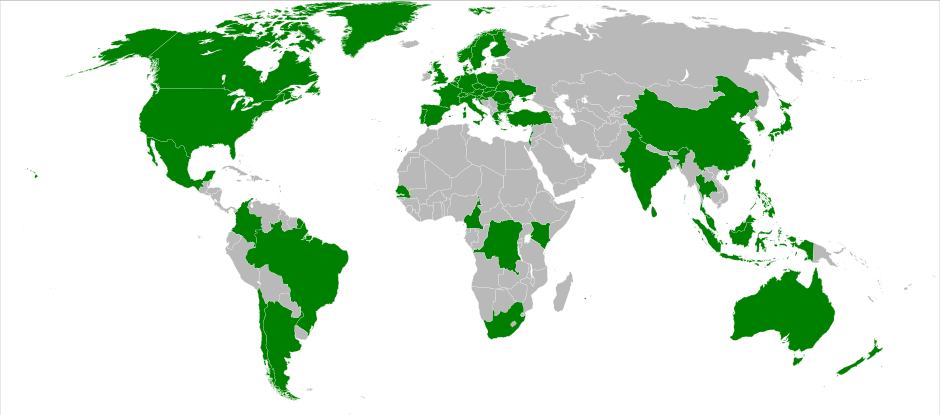
Greenpeace is an international environmental organization founded in Canada in 1971, known for direct action campaigns advocating for environmental protection and conservation worldwide.

Groundhog Day is an American folk tradition observed annually on February 2nd, in which a groundhog's behavior is said to predict the remaining length of winter weather.

Habitat for Humanity is an international charitable organization founded in 1976 that builds and provides affordable housing for families in need through volunteer labor.

Halloween is an annual holiday celebrated on October 31st, rooted in the ancient Celtic festival of Samhain, now widely observed through costumes, trick-or-treating, and themes of the supernatural.

Hanukkah is an eight-day Jewish holiday commemorating the rededication of the Second Temple in Jerusalem, celebrated with the nightly lighting of a special candelabra called a menorah.
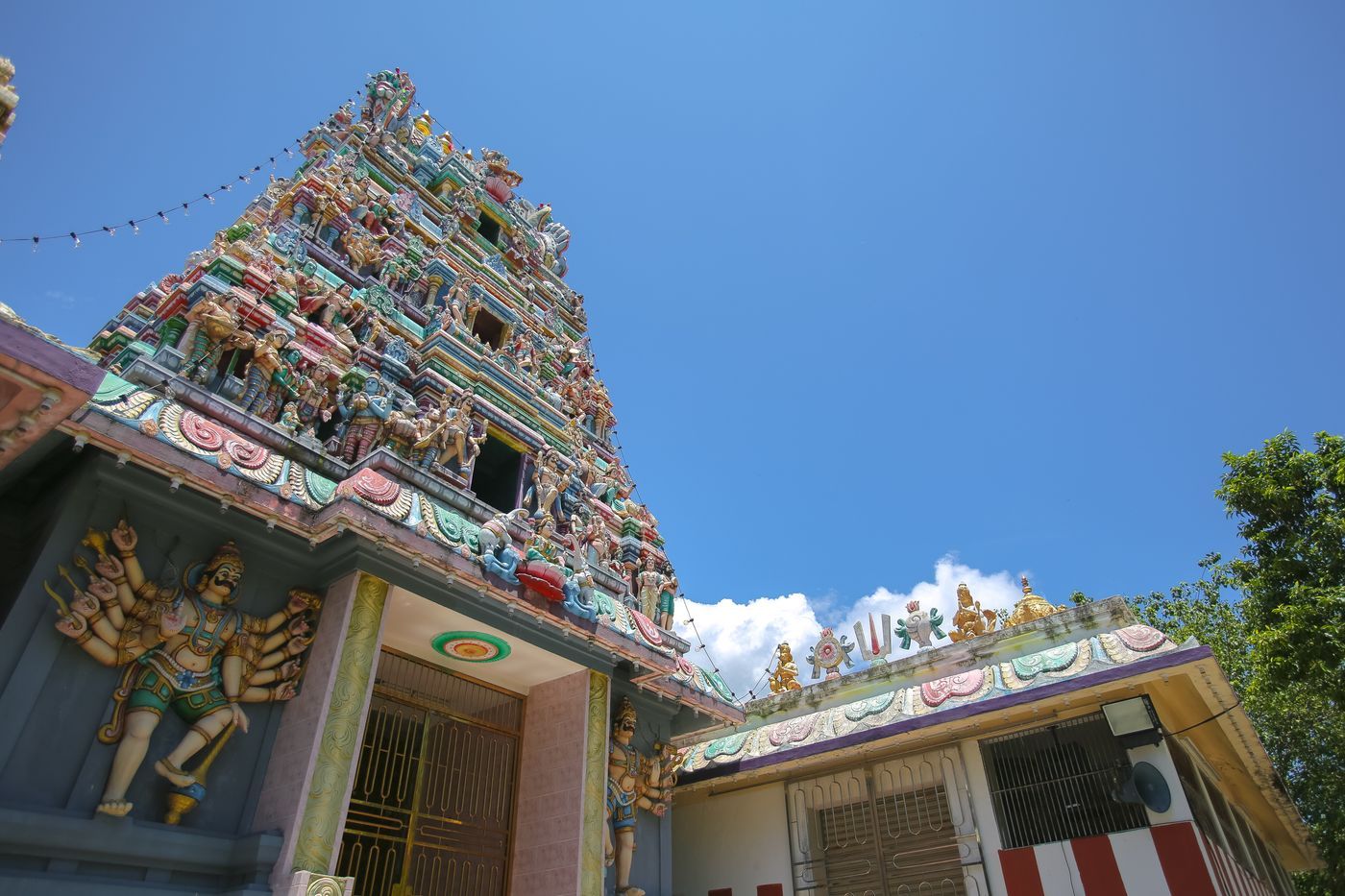
Hinduism is one of the world's oldest religions, originating in the Indian subcontinent and encompassing a wide diversity of beliefs, practices, and texts developed over thousands of years.
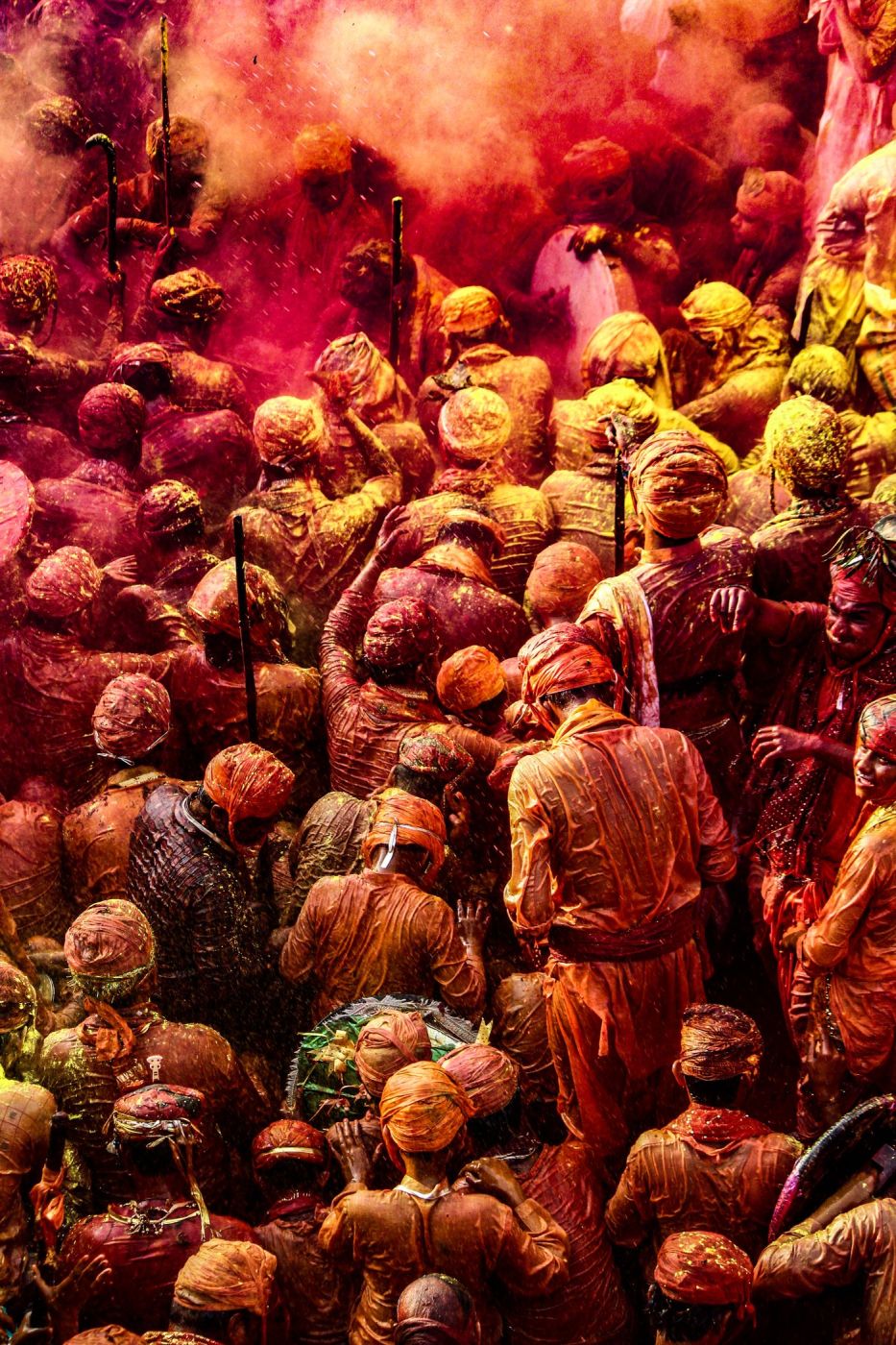
Holi is a vibrant Hindu festival celebrating the arrival of spring and the triumph of good over evil, famous for its exuberant traditions of throwing colored powder and water.

Human Rights are fundamental rights and freedoms considered inherent to all people, formally codified internationally through the United Nations' 1948 Universal Declaration of Human Rights.
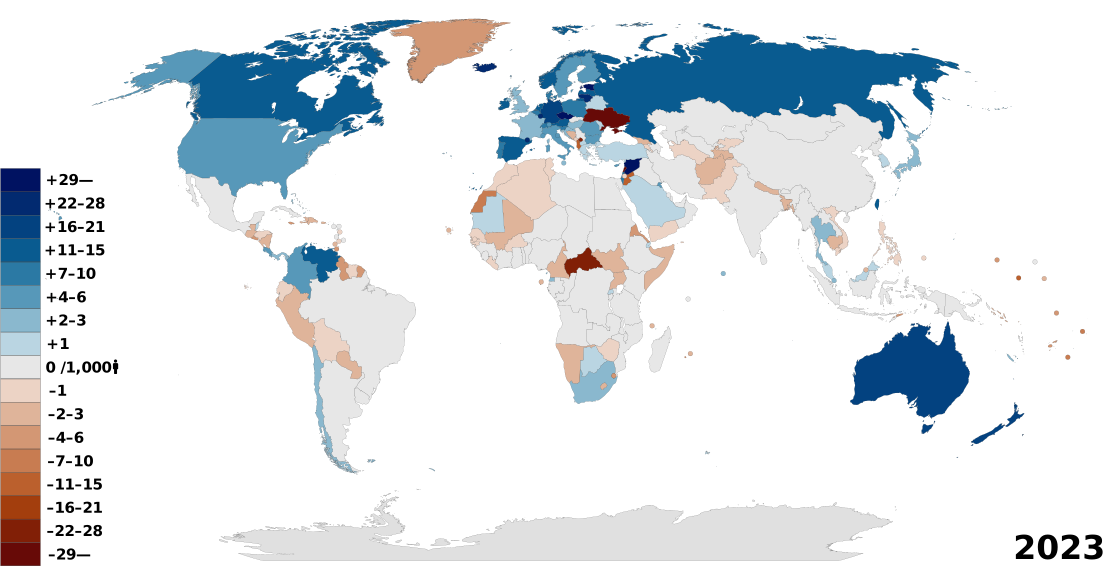
Immigration refers to the movement of people to a country other than their native land, a phenomenon that has significantly shaped societies, economies, and cultures throughout human history.
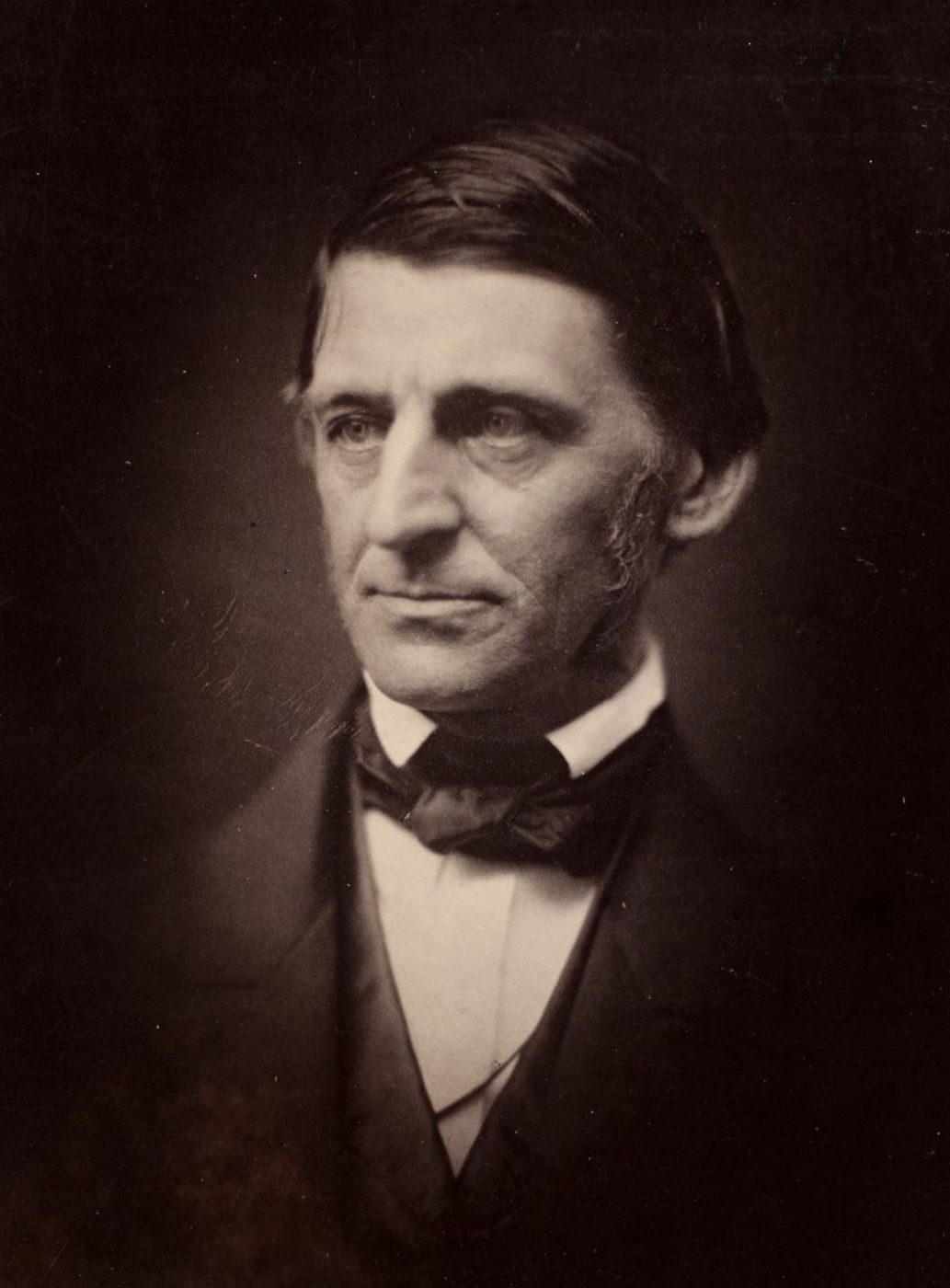
Individualism is a social and philosophical outlook emphasizing personal independence and self-reliance, developed significantly during the Enlightenment and strongly associated with certain Western societies.

International Women's Day is a global observance held annually on March 8th, celebrating women's achievements and advocating for gender equality worldwide.

Islam is a monotheistic religion founded by the Prophet Muhammad in 7th-century Arabia, and is the second-largest religion in the world by number of adherents.

Jainism is an ancient Indian religion emphasizing nonviolence, truth, and asceticism, tracing its teachings to a line of enlightened teachers known as Tirthankaras.

Journalism is the profession of gathering, verifying, and presenting news and information to the public, serving a crucial role in democratic societies as a check on power and source of public information.

Judaism is one of the oldest monotheistic religions in the world, originating among the ancient Israelites and centered on the covenant between God and the Jewish people as described in the Torah.

Juneteenth is an American holiday commemorating the end of slavery in the United States, marking the date in 1865 when enslaved people in Texas learned of their freedom.
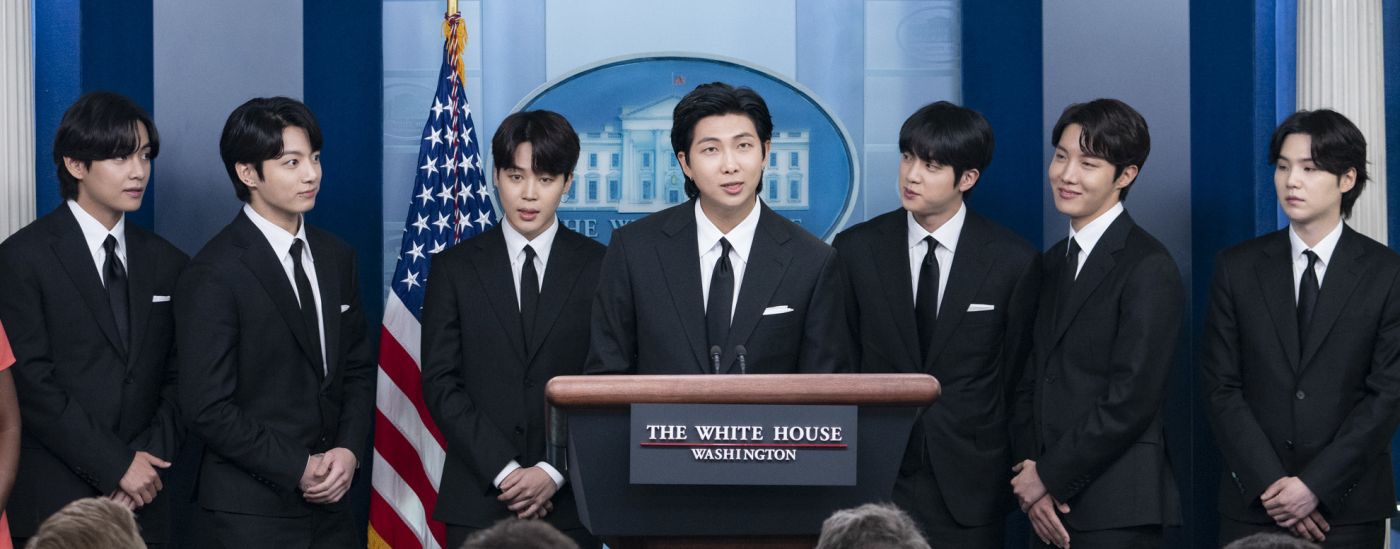
K-Pop is a music genre and cultural phenomenon originating in South Korea, developing significantly from the 1990s onward into a major global entertainment industry and cultural export.

Karaoke is a form of interactive entertainment in which people sing along to recorded music, originating in Japan in the 1970s before spreading into a globally popular cultural phenomenon.
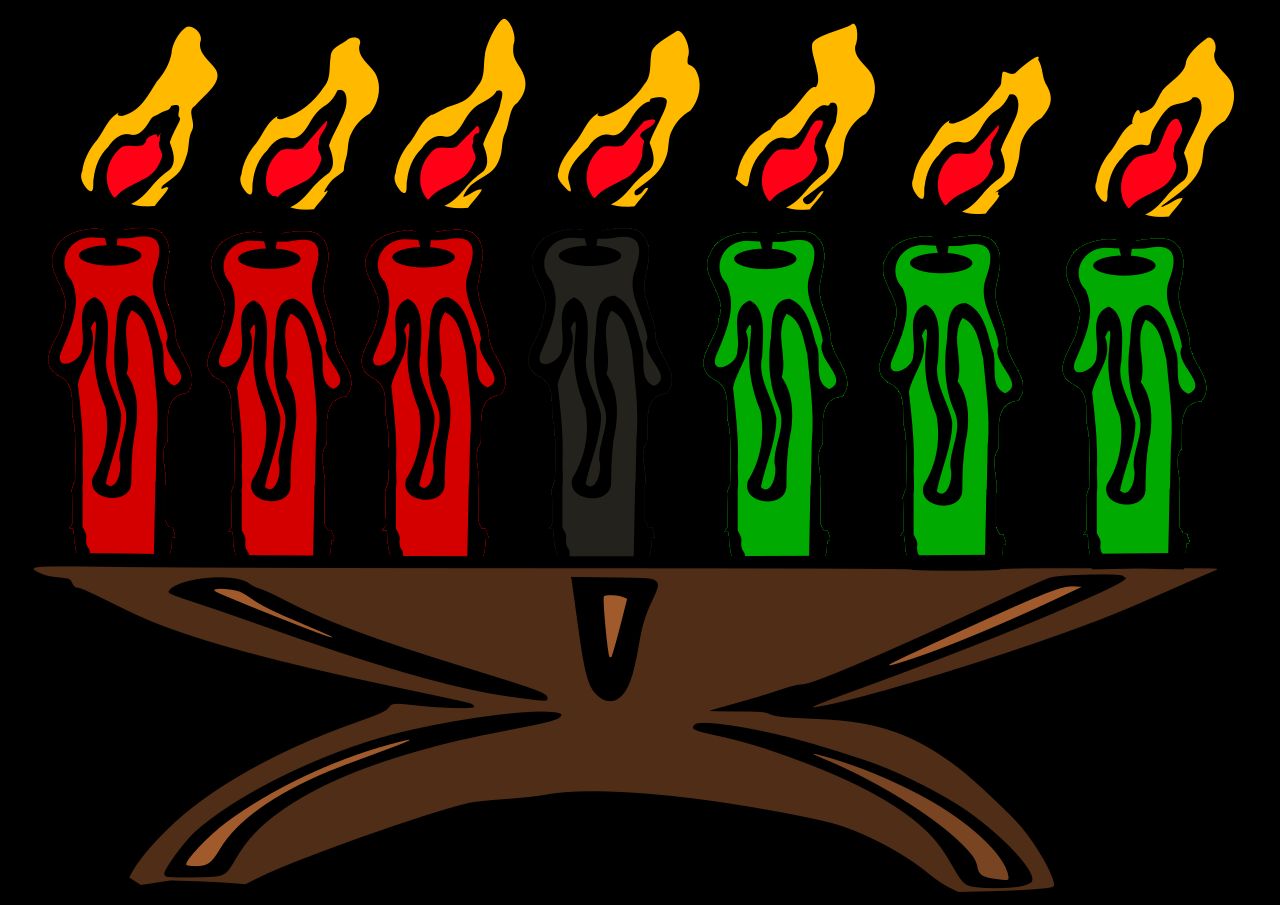
Kwanzaa is a week-long cultural celebration honoring African heritage and culture, created in the United States in 1966 and observed by many African American families and communities.
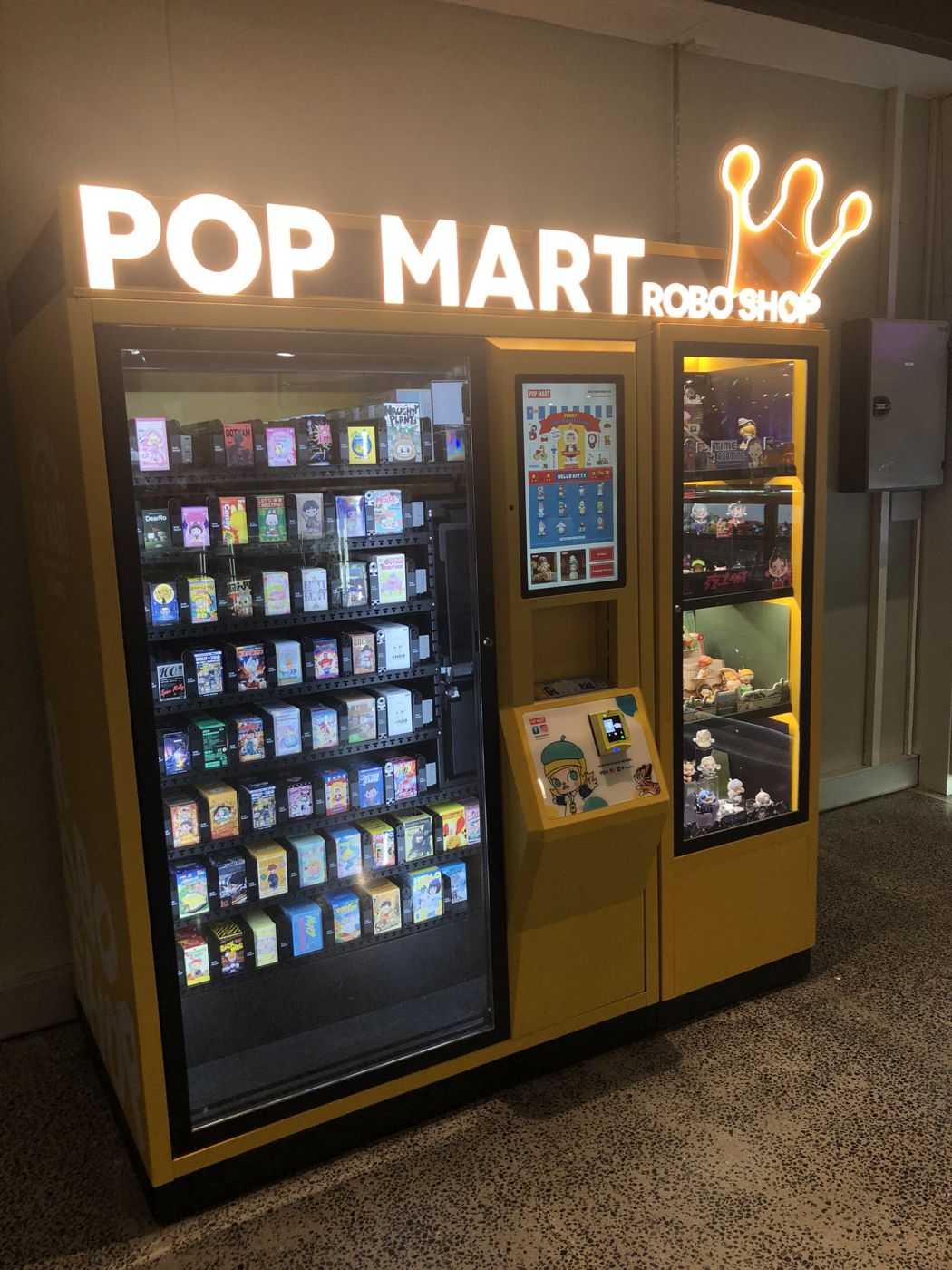
Labubu is a line of collectible monster dolls designed by artist Kasing Lung and produced by Pop Mart, which became a global viral phenomenon and one of the most searched toy products of 2025.

Language is the structured system of communication using words and grammar that distinguishes human communication from that of other species, existing in thousands of distinct forms across human societies.

Libraries are institutions that collect and provide access to books and information resources, serving as crucial repositories of human knowledge since ancient civilizations.
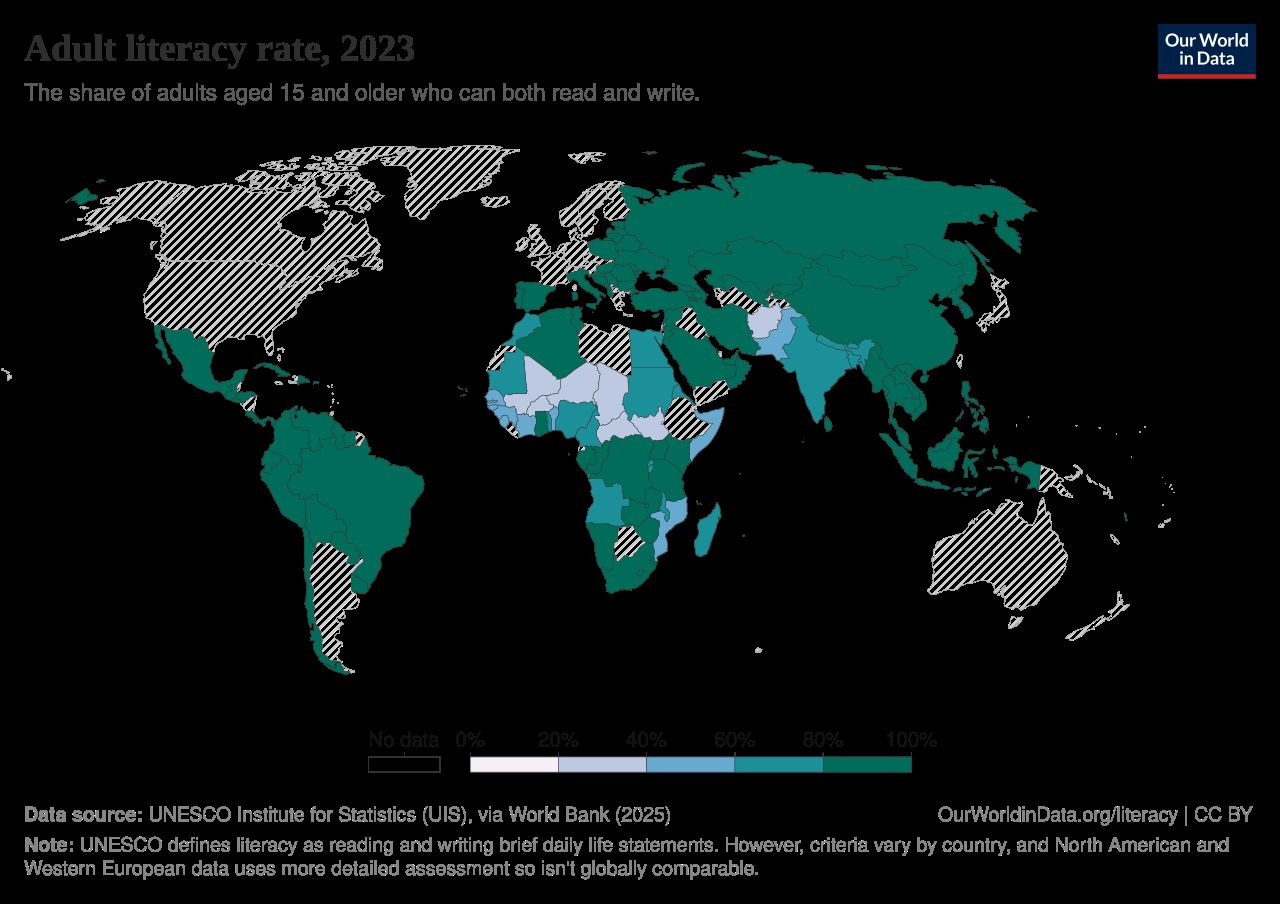
Literacy is the ability to read and write, a foundational skill that has expanded dramatically worldwide over the past two centuries alongside the growth of public education.

Lunar New Year is a significant holiday celebrated across numerous East and Southeast Asian cultures, marking the beginning of the lunar calendar year with distinctive traditions.