🎭 Culture & Society
Traditions, customs, languages, and social topics

Mardi Gras is a festive celebration held before the Christian season of Lent, most famously celebrated in New Orleans with elaborate parades, costumes, and citywide festivities.

Marriage is a socially and often legally recognized union between individuals, practiced in various forms across virtually all human societies throughout recorded history.

Meditation is a practice of focused mental training used to develop awareness, calm the mind, and cultivate inner clarity, with roots in ancient Hindu and Buddhist traditions dating back over 2,500 years.

Meritocracy is a social system in which advancement is based on individual ability and achievement rather than inherited wealth or social class, developed significantly as a governing principle in the 20th century.

Mindfulness is a mental practice involving focused awareness of the present moment, rooted in ancient Buddhist meditation traditions and gaining significant mainstream popularity in recent decades.

Minimalism is a lifestyle movement advocating for intentionally limiting possessions and simplifying one's life, gaining significant popularity in the early 21st century partly as a reaction against consumerism.

Mole poblano is a rich, dark sauce from the state of Puebla, Mexico, made from a blend of chiles, chocolate, spices, and sometimes over 30 ingredients. Considered one of Mexico's most emblematic dishes, it holds UNESCO Intangible Cultural Heritage status as part of traditional Mexican cuisine.

Multiculturalism is a social and political approach recognizing and valuing cultural diversity within a society, developed significantly as a policy framework in several countries during the late 20th century.

Museums are institutions that collect, preserve, and exhibit objects of artistic, historical, or scientific significance, serving as important centers for public education and cultural preservation.

Nowruz is the Persian New Year, an ancient festival marking the spring equinox, celebrated by over 300 million people across Iran, Central Asia, and beyond.

Oktoberfest is the world's largest beer festival, held annually in Munich, Germany, drawing millions of visitors to celebrate Bavarian culture, traditional food, and beer.

Origami is the traditional Japanese art of paper folding, transforming simple flat paper into intricate three-dimensional sculptures without cutting or gluing.

Passover is a major Jewish holiday commemorating the biblical liberation of Israelites from slavery in Egypt, observed through a ritual meal called the Seder and the avoidance of leavened bread.
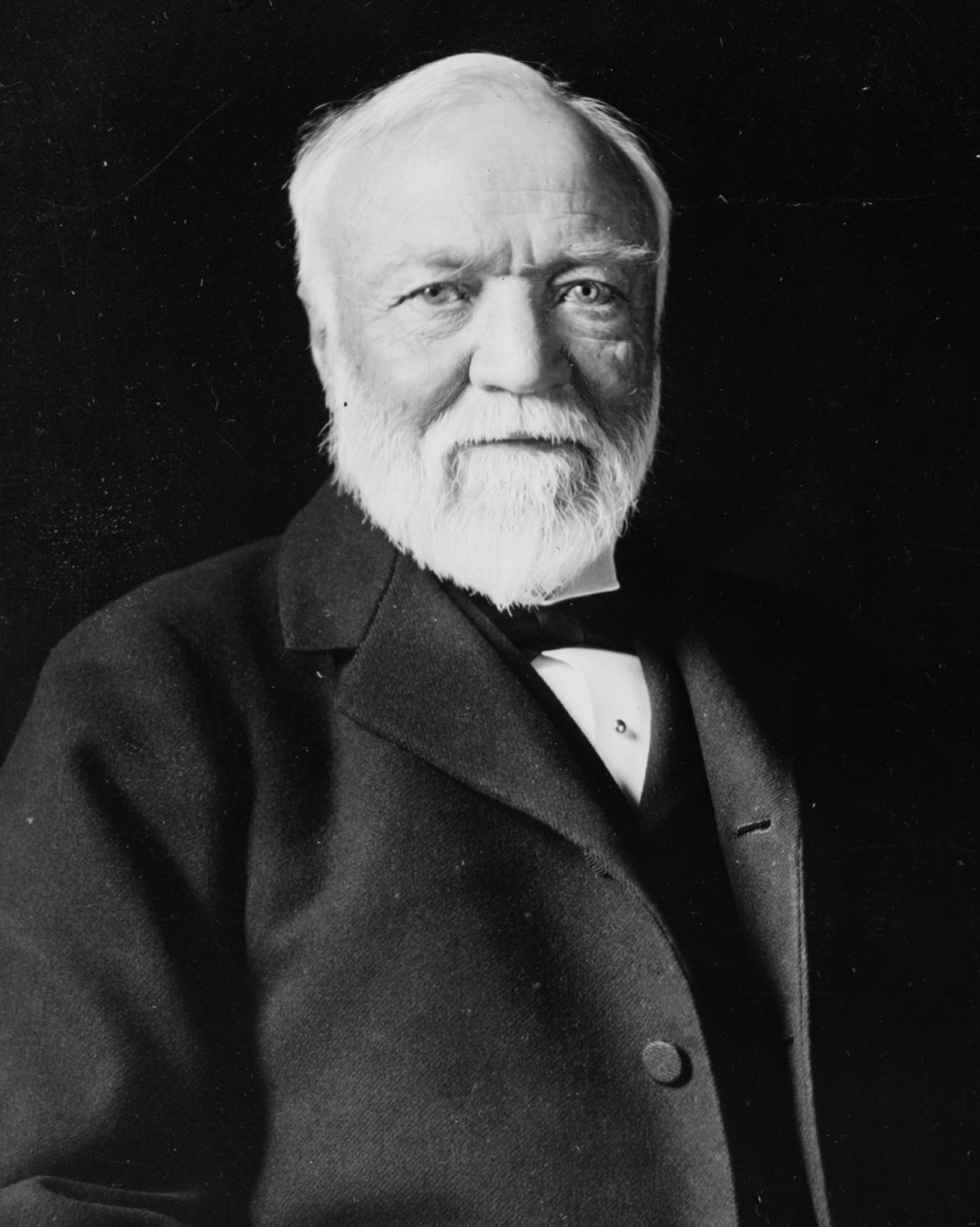
Philanthropy refers to the practice of donating money, time, or resources to promote the welfare of others, ranging from individual charitable giving to large-scale organized foundations addressing global challenges.

Photography is the art and technology of capturing images through light-sensitive materials or digital sensors, invented in the early 19th century and fundamentally transforming visual documentation and artistic expression.

Piercing is a body modification practice involving creating an opening in body tissue to insert jewelry, practiced across numerous cultures for thousands of years.

Privacy refers to an individual's right to control personal information and freedom from unwanted intrusion, becoming an increasingly significant legal and social concern particularly in the digital age.

Propaganda refers to information, often biased or misleading, disseminated to promote a particular political cause or point of view, used extensively throughout history, particularly during major conflicts.

Public Education refers to government-funded schooling systems providing education to children, developed significantly during the 19th century and now considered a fundamental societal institution in most countries.

Ramadan is the ninth month of the Islamic lunar calendar, observed by Muslims worldwide through fasting, prayer, and reflection, commemorating the revelation of the Quran to the Prophet Muhammad.
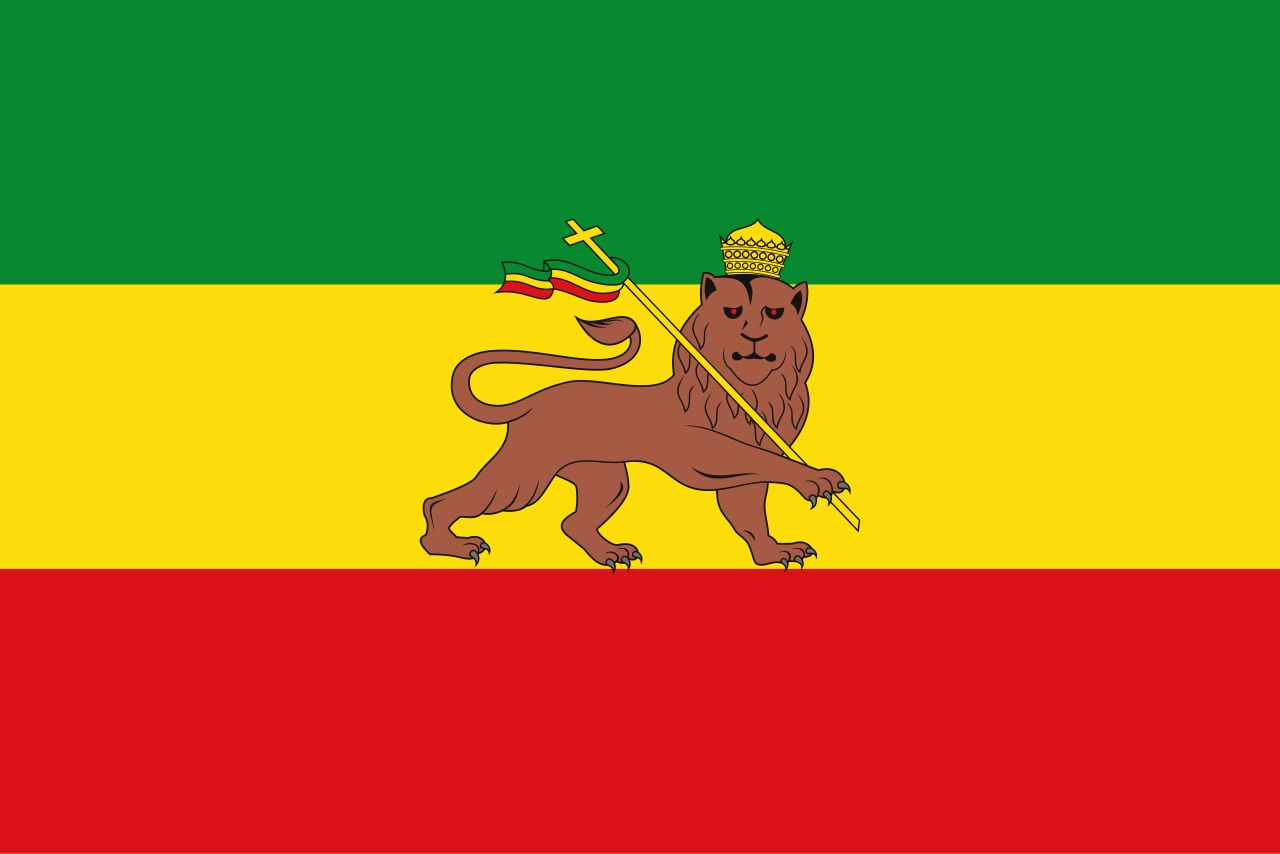
Rastafari is a religious and social movement that emerged in Jamaica in the 1930s, centered on African identity, spiritual redemption, and reverence for Ethiopian Emperor Haile Selassie I.

Retirement is the practice of leaving one's workforce role, typically in later life, developed significantly as a formal social institution during the 19th and 20th centuries.

Rosh Hashanah is the Jewish New Year, marking the beginning of the High Holy Days period and observed through prayer, reflection, and the sounding of a ceremonial ram's horn.

Secular Humanism is a worldview emphasizing human reason, ethics, and social justice without reliance on religious belief, focusing on human welfare and rational inquiry.