🎭 Culture & Society
Traditions, customs, languages, and social topics

Shinto is the indigenous spiritual tradition of Japan, centered on the veneration of kami, spirits associated with nature, ancestors, and sacred places, practiced alongside Buddhism throughout much of Japanese history.

Sign Language refers to visual-gestural languages used primarily by deaf and hard-of-hearing communities, developed as complete, grammatically complex languages distinct from spoken language.

Sikhism is a monotheistic religion founded in 15th-century Punjab by Guru Nanak, emphasizing equality, service to others, and devotion to one God.

Skateboarding is both a recreational activity and competitive sport involving riding and performing tricks on a skateboard, developing a significant associated youth culture since the mid-20th century.

Social Contract Theory is a political philosophy concept describing an implicit agreement among individuals to form societies and governments, developed significantly through Enlightenment-era political theory.

Social Media refers to digital platforms that enable users to create and share content and participate in social networking, fundamentally transforming global communication, business, and culture since the early 2000s.
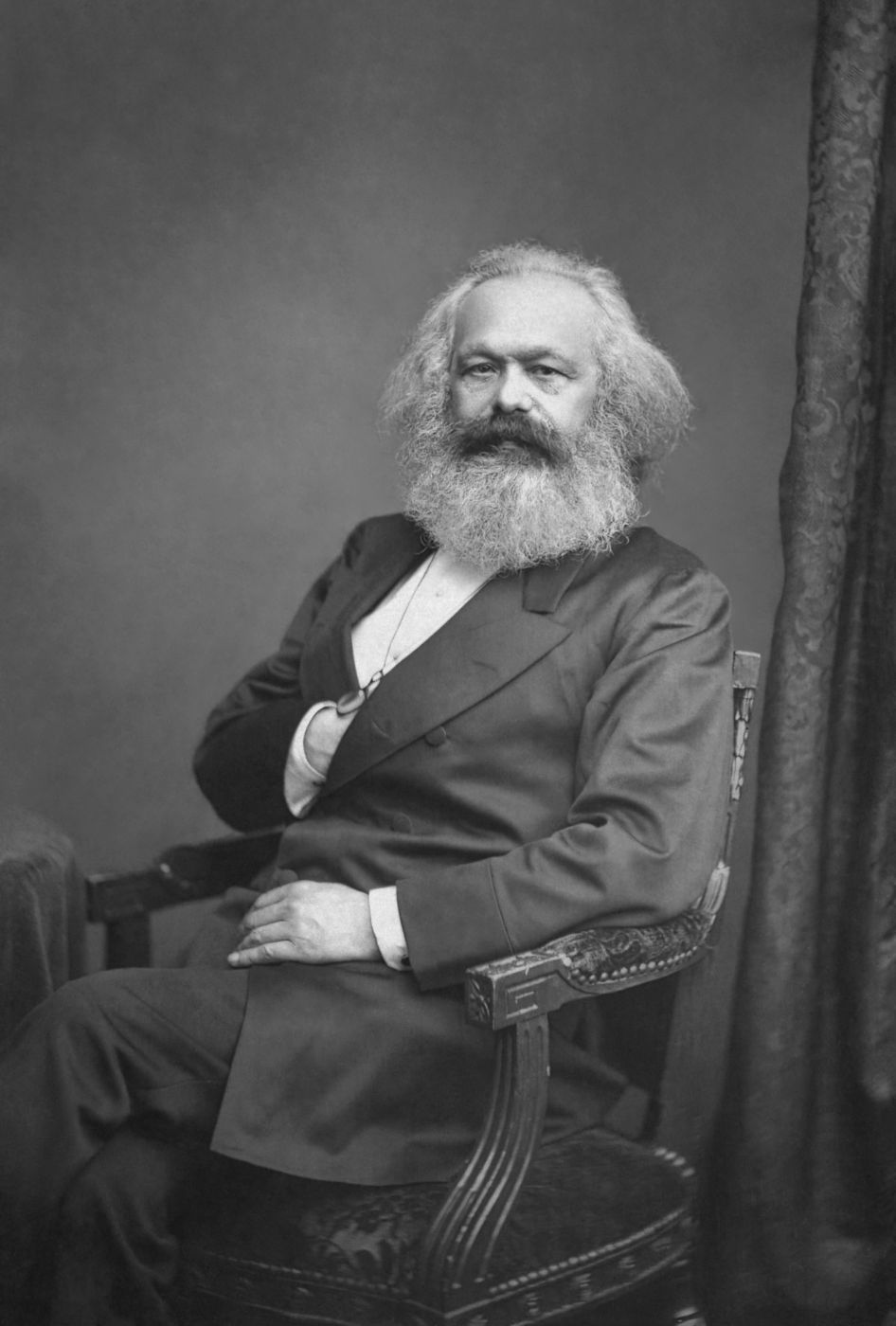
Socialism is an economic and political system advocating collective or governmental ownership of the means of production, developed significantly as a response to the inequalities of industrial capitalism.

St. Patrick's Day is a cultural and religious holiday celebrating Ireland's patron saint, observed with parades and celebrations by Irish communities and their descendants worldwide.

Streetwear Fashion is a casual clothing style that developed significantly from 1980s skateboarding and hip-hop culture, evolving into a major global fashion industry segment.
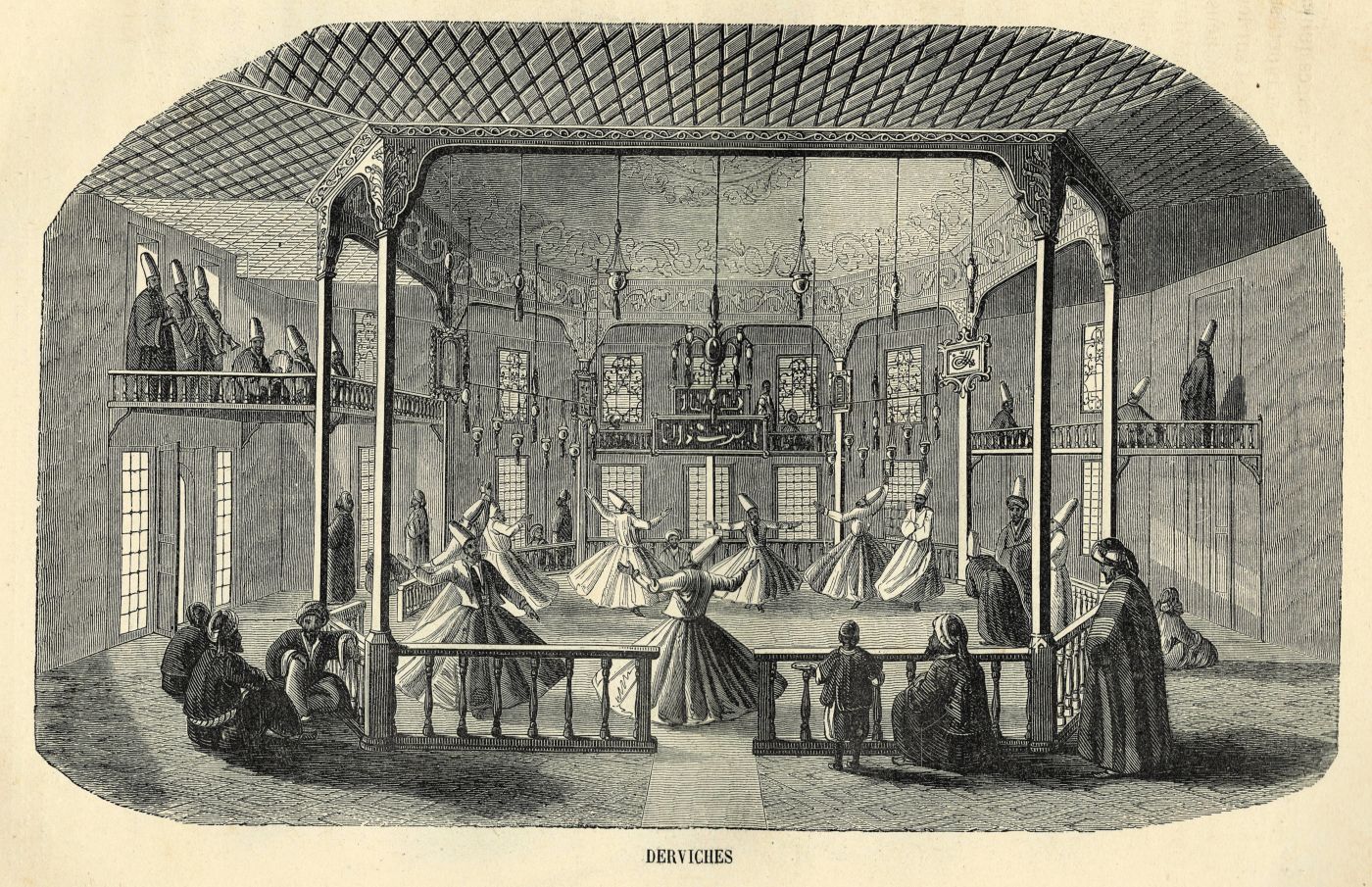
Sufism is a mystical tradition within Islam emphasizing direct personal experience of the divine through practices including meditation, poetry, and ritual movement.

Sumo Wrestling is a traditional Japanese sport involving wrestlers attempting to force opponents from a ring, developed significantly over many centuries with deep religious and cultural roots.

Superstition refers to beliefs in supernatural causation not supported by scientific evidence, practiced across virtually every human culture throughout history in diverse forms.

Sylvester Graham was a 19th-century American dietary reformer whose advocacy for whole wheat flour led to the creation of the Graham cracker. Originally conceived as a health food to curb appetites and promote moral purity, the cracker bears his name to this day.

Taoism, also spelled Daoism, is a Chinese religious and philosophical tradition centered on living in harmony with the Tao, often translated as 'the Way,' the underlying natural order of the universe.

Tattoo Art is the practice of permanently marking skin with ink to create designs, practiced across numerous cultures throughout human history and experiencing significant mainstream acceptance in recent decades.

The Tea Ceremony refers to ritualized traditions of preparing and serving tea, most notably the Japanese tea ceremony, which developed significant spiritual and aesthetic dimensions influenced by Zen Buddhism.

Thanksgiving is an annual national holiday in the United States and Canada, traditionally celebrated with a large meal to give thanks for the year's harvest and blessings.

The Academy Awards, commonly known as the Oscars, are the most prestigious annual awards in the American film industry, first presented in 1929 and watched by a global television audience.

The Camino Primitivo is the oldest of the Camino de Santiago pilgrimage routes, first walked by King Alfonso II of Asturias in the 9th century. Stretching approximately 320 kilometers from Oviedo to Santiago de Compostela, it traverses rugged mountain terrain through Asturias and Galicia.

The Cannes Film Festival is one of the world's most prestigious annual film festivals, held in France since 1946 and serving as a significant launching point for international cinema.

The Grammy Awards are the most prestigious annual awards in the American music industry, first presented in 1959 and recognizing outstanding achievement across nearly all musical genres.

On January 15, 1919, a massive storage tank in Boston's North End ruptured, releasing 2.3 million gallons of molasses in a wave that killed 21 people and injured 150. The disaster led to significant changes in engineering safety standards and corporate accountability in the United States.

The Nobel Prize is a set of prestigious international awards recognizing outstanding contributions in physics, chemistry, medicine, literature, peace, and economics, established through the will of Swedish inventor Alfred Nobel.

The Olympic Games are the world's foremost international sporting event, tracing their origins to ancient Greece and revived in their modern form in 1896.