📜 History
Historical events, eras, and civilizations

The Thirty Years' War was one of the most destructive conflicts in European history, fought from 1618 to 1648 primarily across Central Europe along religious and political lines.
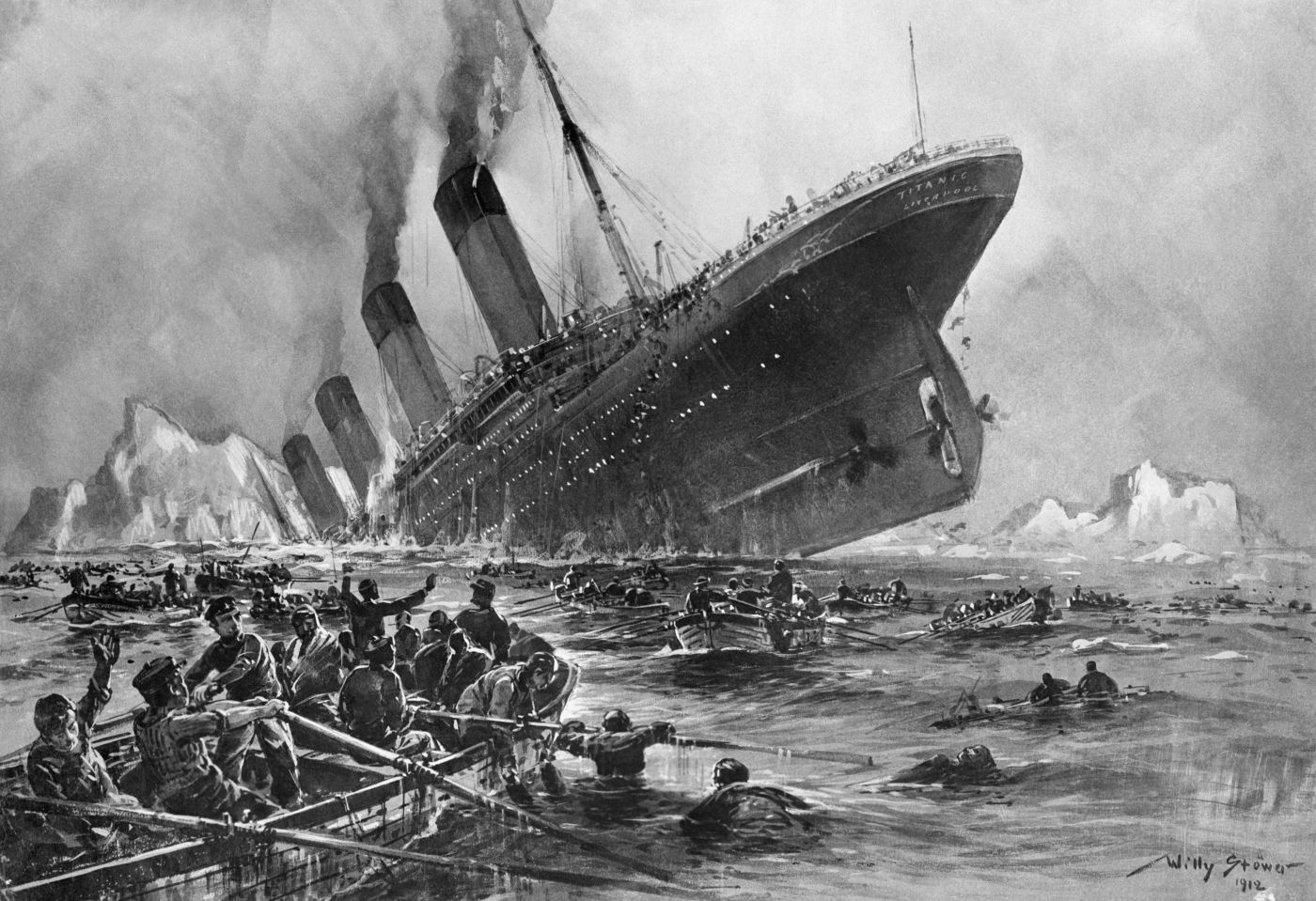
The sinking of the RMS Titanic in 1912 was one of history's deadliest peacetime maritime disasters, killing approximately 1,500 people and prompting sweeping international maritime safety reforms.

The Trail of Tears refers to the forced relocation of Native American nations from the southeastern United States in the 1830s, a brutal journey that resulted in thousands of deaths.

The Trans-Saharan Trade Routes were a vast network of caravan paths crossing the Sahara Desert that connected sub-Saharan Africa with North Africa and the Mediterranean world, facilitating the exchange of gold, salt, and ideas for over a millennium.

The Treaty of Versailles was the 1919 peace agreement that formally ended World War I, imposing harsh terms on Germany that many historians link to the eventual outbreak of World War II.

The Underground Railroad was a network of secret routes and safe houses used by enslaved people in the United States to escape to free states and Canada in the decades before the Civil War.

The Vietnam War (1955-1975) was a prolonged conflict between communist North Vietnam and South Vietnam, backed by the United States, that became one of the most controversial and consequential conflicts of the Cold War era.
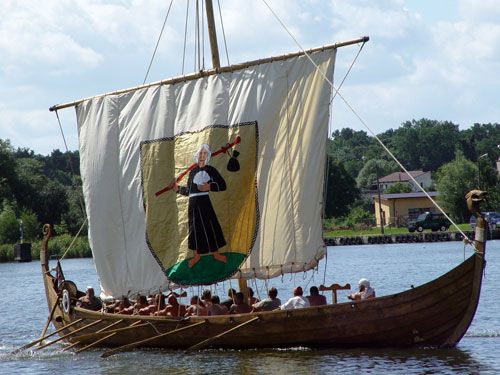
The Vikings were Scandinavian seafarers active from the 8th through 11th centuries, known for extensive raiding, trading, and exploration across Europe and the North Atlantic.
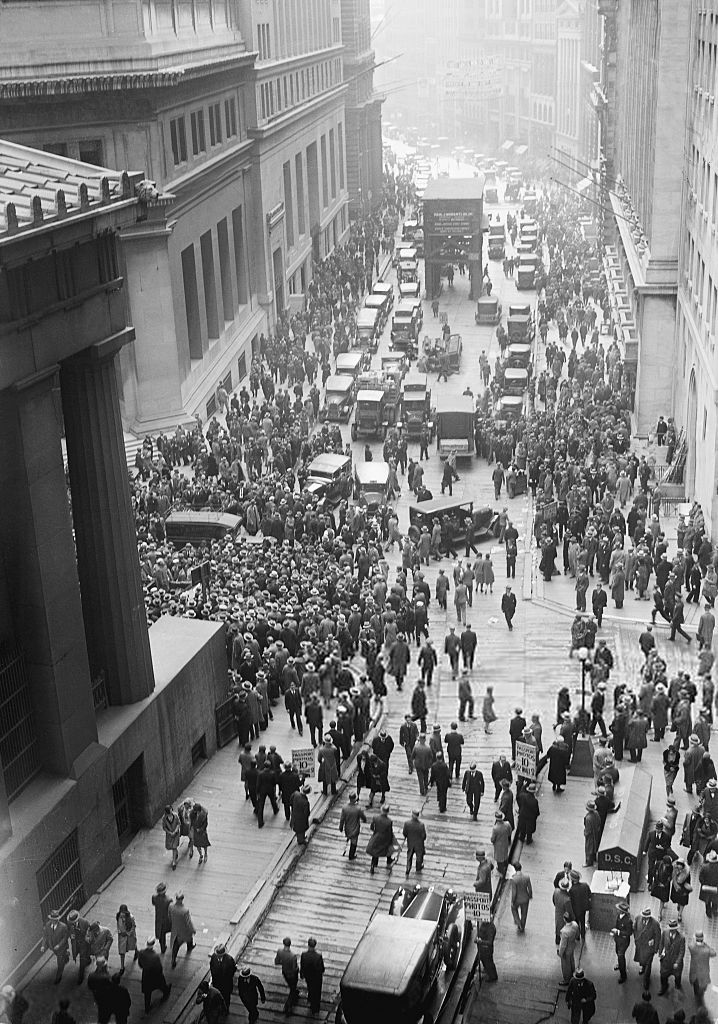
The Wall Street Crash of 1929 was a devastating stock market collapse that initiated the Great Depression, wiping out enormous amounts of wealth within a matter of days.
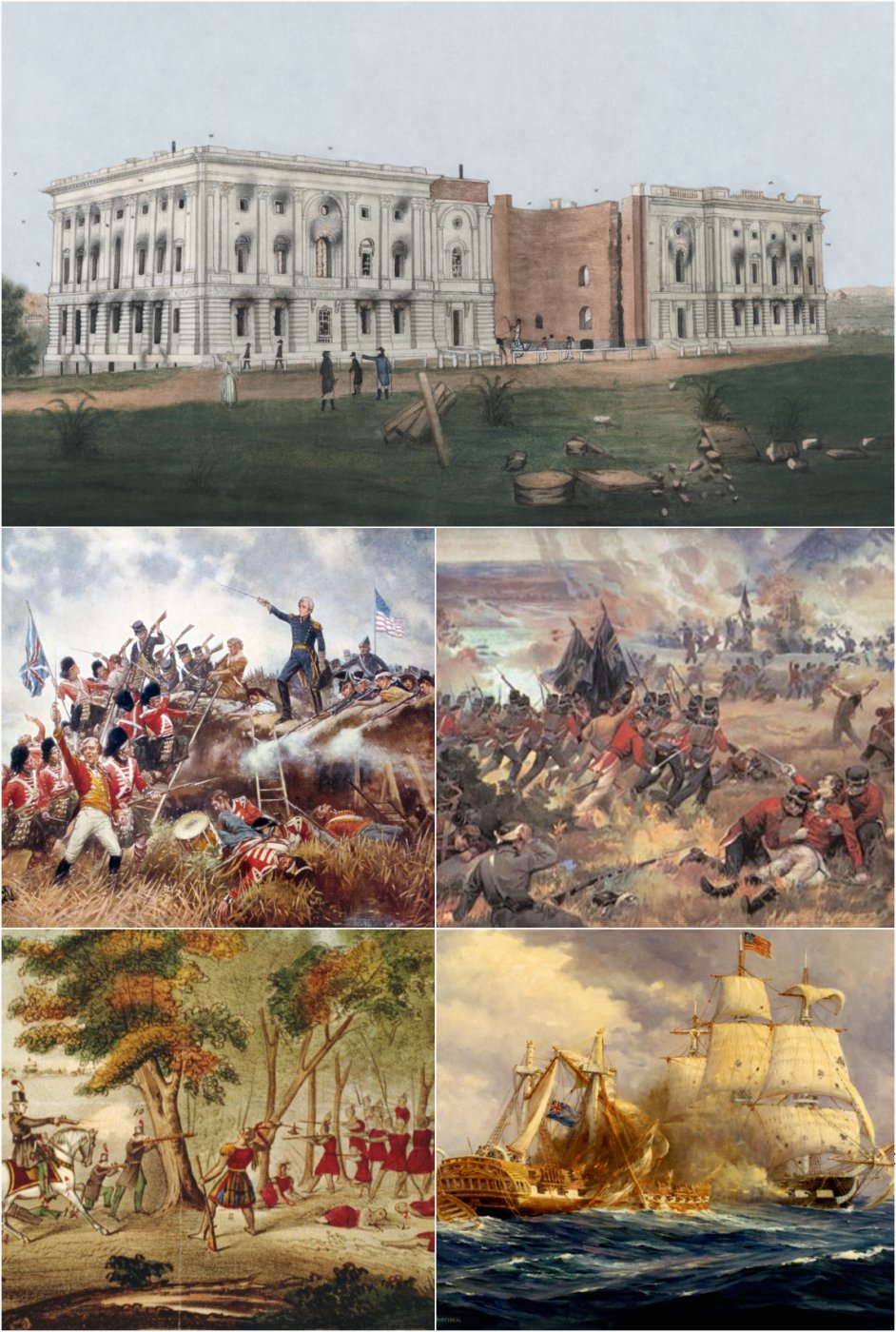
The War of 1812 was a military conflict between the United States and Britain fought from 1812 to 1815, arising from trade disputes and maritime grievances.
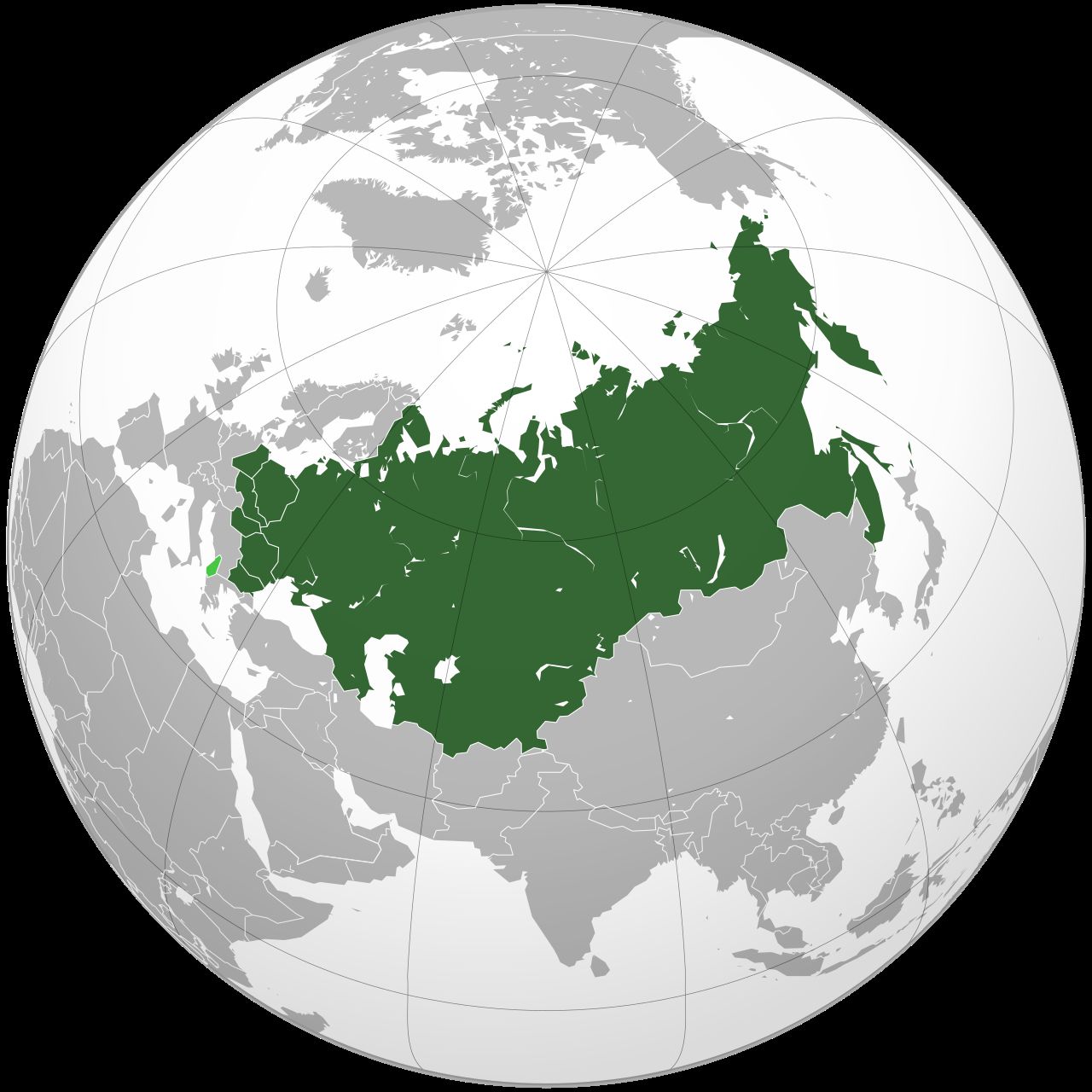
The Warsaw Pact was a Cold War-era military alliance among the Soviet Union and its Eastern European satellite states, established in 1955 as a counterbalance to NATO.
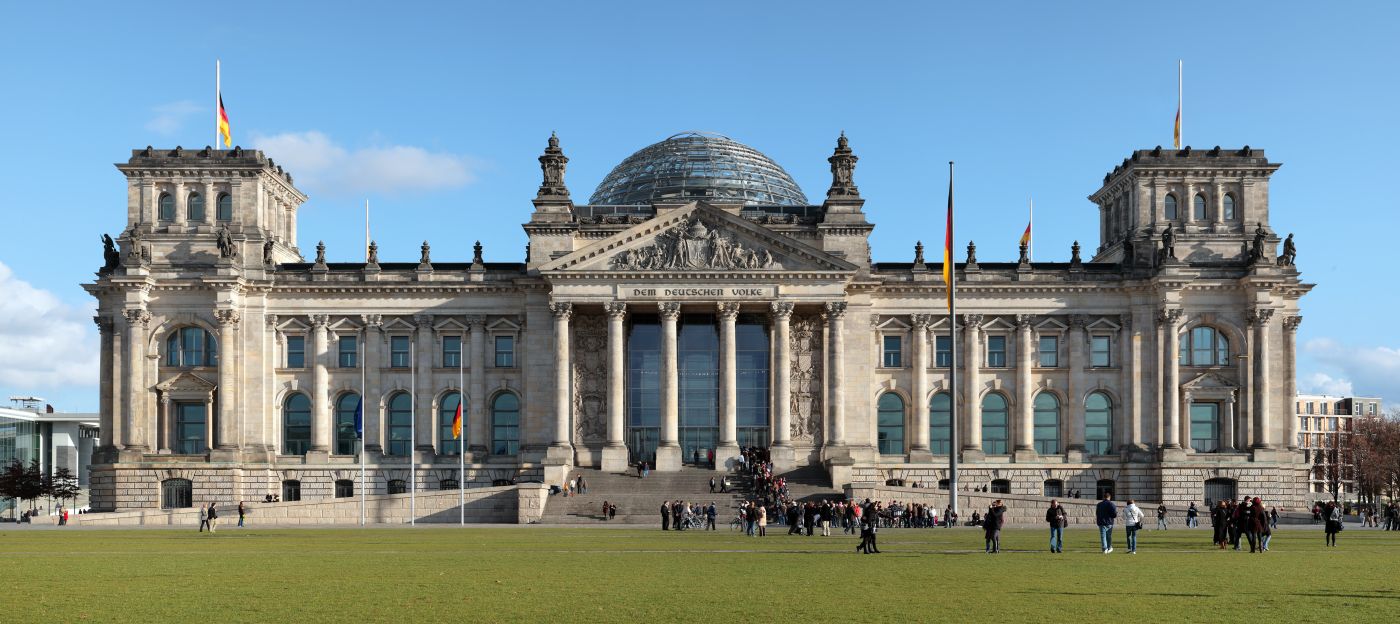
The Weimar Republic was the German government from 1919 to 1933, established following World War I's end, ultimately collapsing amid economic crisis and the rise of Nazi power.

The Winter War was fought between Finland and the Soviet Union from 1939 to 1940, notable for Finland's fierce resistance against a vastly larger invading force.
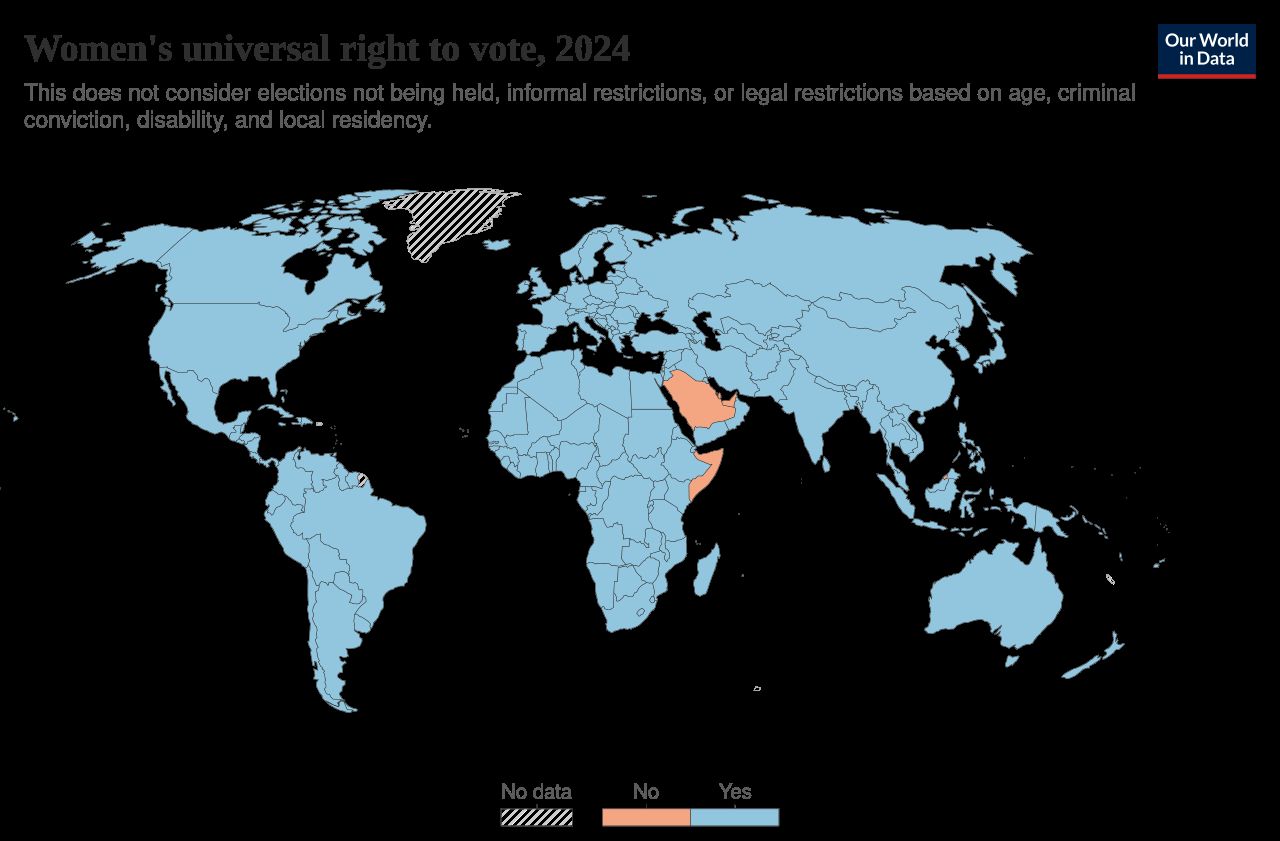
The Women's Suffrage Movement was a decades-long international campaign to secure voting rights for women, achieving major victories in the early 20th century after generations of organizing.

The Xinhai Revolution was a significant uprising in 1911 that overthrew China's Qing Dynasty, ending over two thousand years of imperial rule and establishing the Republic of China.

The Yom Kippur War was a significant Middle Eastern conflict fought in October 1973, involving a coalition of Arab states launching a surprise attack against Israel.

The Yugoslav Wars were a series of ethnic conflicts fought from 1991 to 2001 following the breakup of Yugoslavia, resulting in significant casualties and the emergence of several new independent nations.
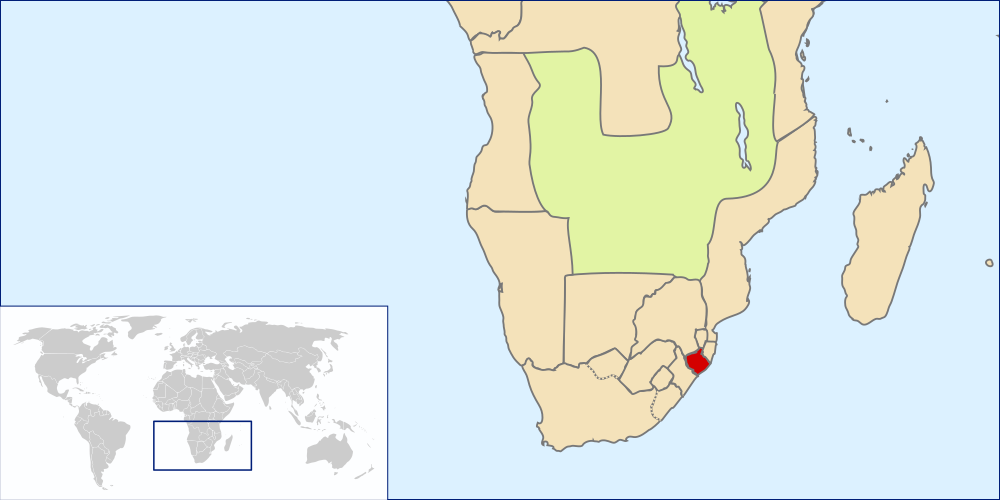
The Zulu Kingdom was a powerful South African kingdom that rose to prominence in the early 19th century under King Shaka, known for significant military innovation and later resistance to British colonization.

World War I (1914-1918) was a global conflict centered in Europe that resulted in the deaths of an estimated 20 million people and reshaped the political map of the continent.

World War II (1939-1945) was the deadliest conflict in human history, fought between the Allied Powers and the Axis Powers across Europe, Asia, Africa, and the Pacific.