📜 History
Historical events, eras, and civilizations
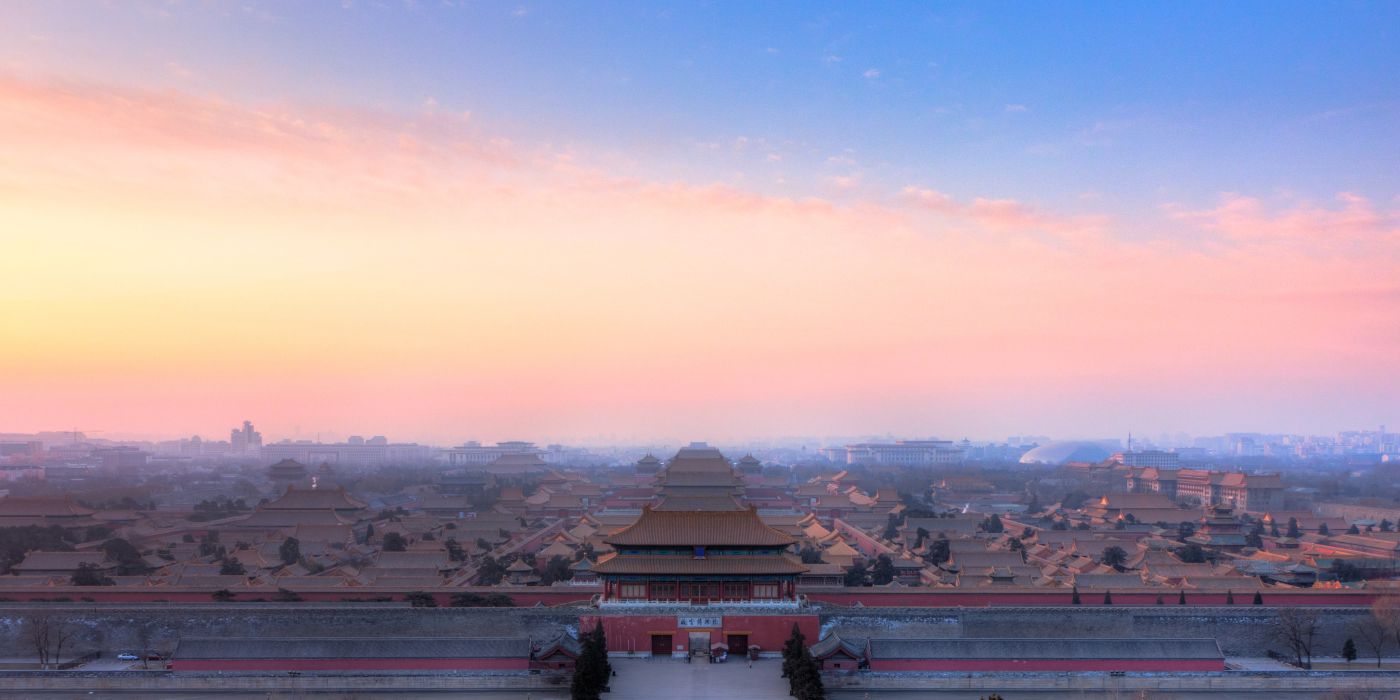
The Qing Dynasty ruled China from 1644 to 1912, China's last imperial dynasty, presiding over significant territorial expansion followed by decline and eventual collapse into republican revolution.

The Reconquista was a centuries-long series of military campaigns by Christian kingdoms to reclaim the Iberian Peninsula from Muslim rule, concluding in 1492 with the fall of Granada.
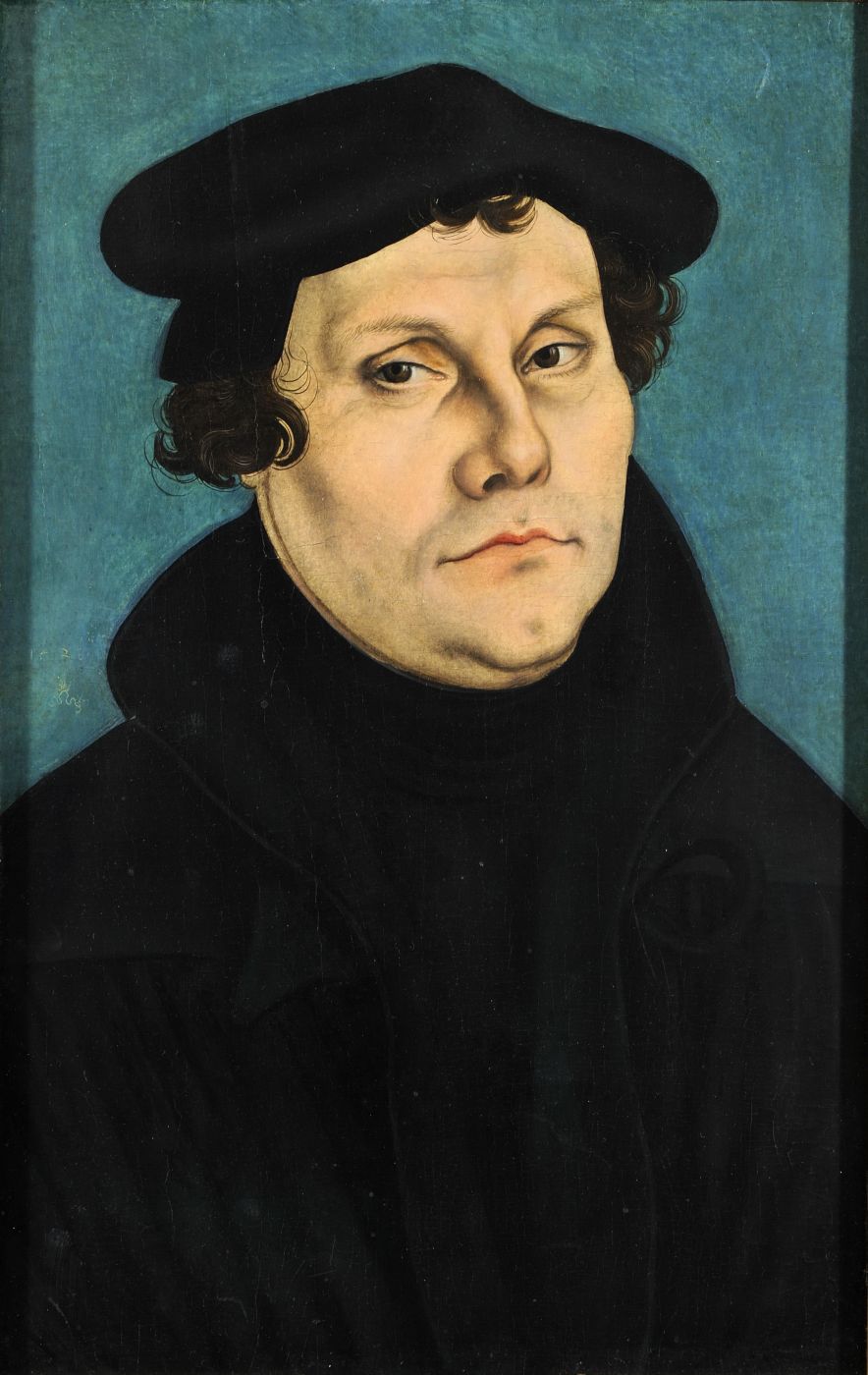
The Reformation was a 16th-century religious movement that permanently split Western Christianity, giving rise to Protestant denominations and reshaping European politics and society.

The Renaissance was a period of renewed interest in art, science, and classical learning that began in Italy in the 14th century and spread across Europe, bridging the medieval and modern eras.

The Roman Empire was one of the largest and most influential empires in world history, beginning in 27 BCE under Emperor Augustus and lasting in its western form until 476 CE.

The Russian Revolution of 1917 was a pair of revolutions that overthrew the Russian monarchy and eventually established the world's first communist state under Bolshevik rule.

The Russo-Japanese War was fought from 1904 to 1905 between Russia and Japan, resulting in a surprising Japanese victory that significantly altered global perceptions of Asian military power.

The Rwandan Genocide was a horrific 1994 mass killing of the Tutsi ethnic minority by Hutu extremists, resulting in an estimated 800,000 deaths in just about 100 days.

The Salem Witch Trials were a series of hearings and prosecutions in colonial Massachusetts in 1692 that resulted in the execution of 20 people accused of witchcraft, becoming a lasting symbol of mass hysteria and false accusation.

The Scientific Revolution was a period of transformative advances in scientific thought during the 16th and 17th centuries, establishing the empirical methods that continue underpinning modern science.

The Scramble for Africa was the rapid colonial invasion and partition of nearly the entire African continent by European powers between the 1880s and the outbreak of World War I, fundamentally reshaping the political and cultural landscape of Africa.

The Second Sino-Japanese War was a significant military conflict fought between China and Japan from 1937 to 1945, ultimately merging into the broader Pacific theater of World War II.
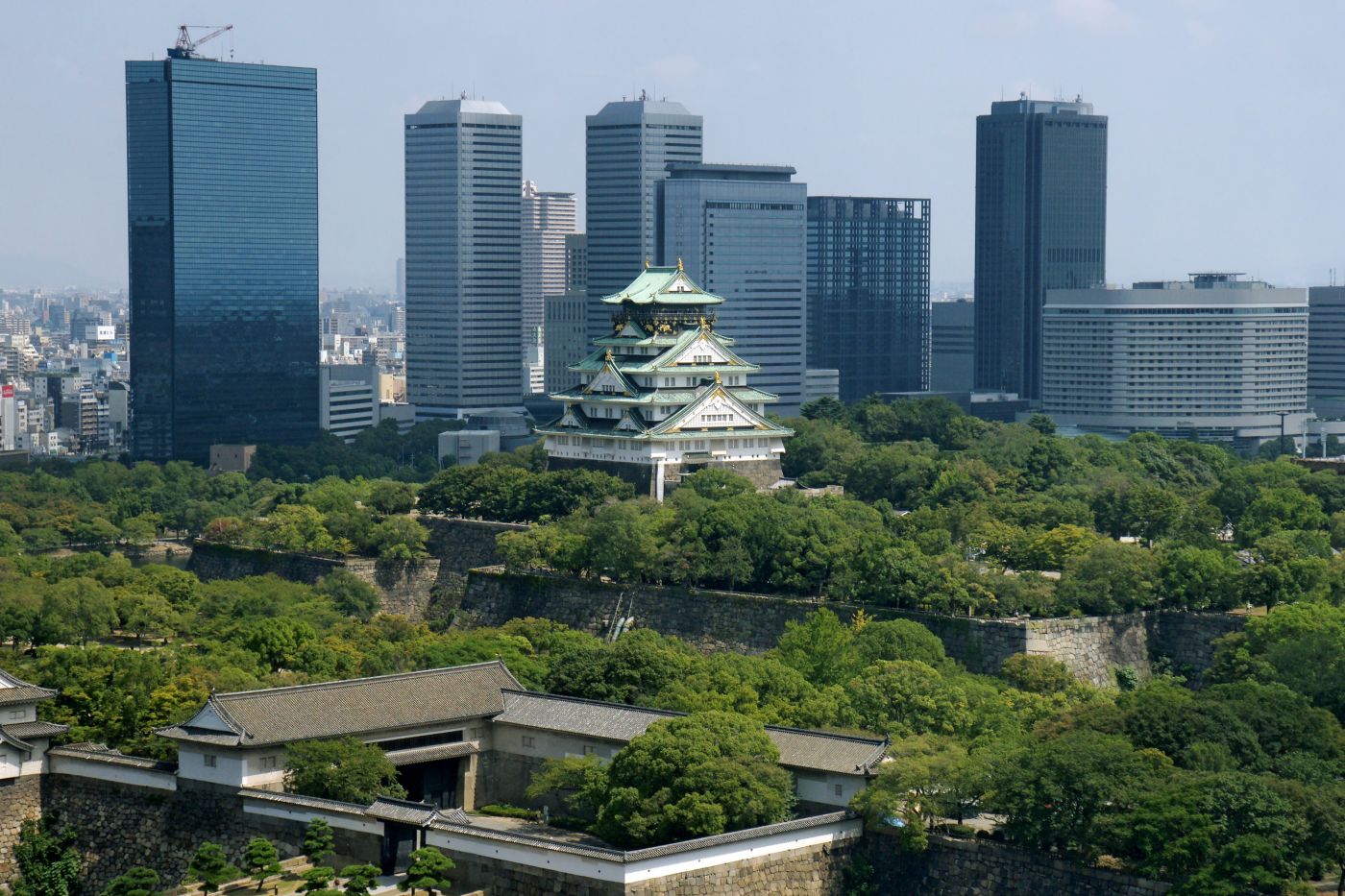
The Sengoku Period was a era of near-constant civil war in Japan spanning approximately 1467 to 1615, ultimately resolved through unification under a single ruling shogunate.

The Sepoy Mutiny was a significant uprising against British East India Company rule in 1857, triggered by Indian soldiers and escalating into a broader rebellion across northern India.
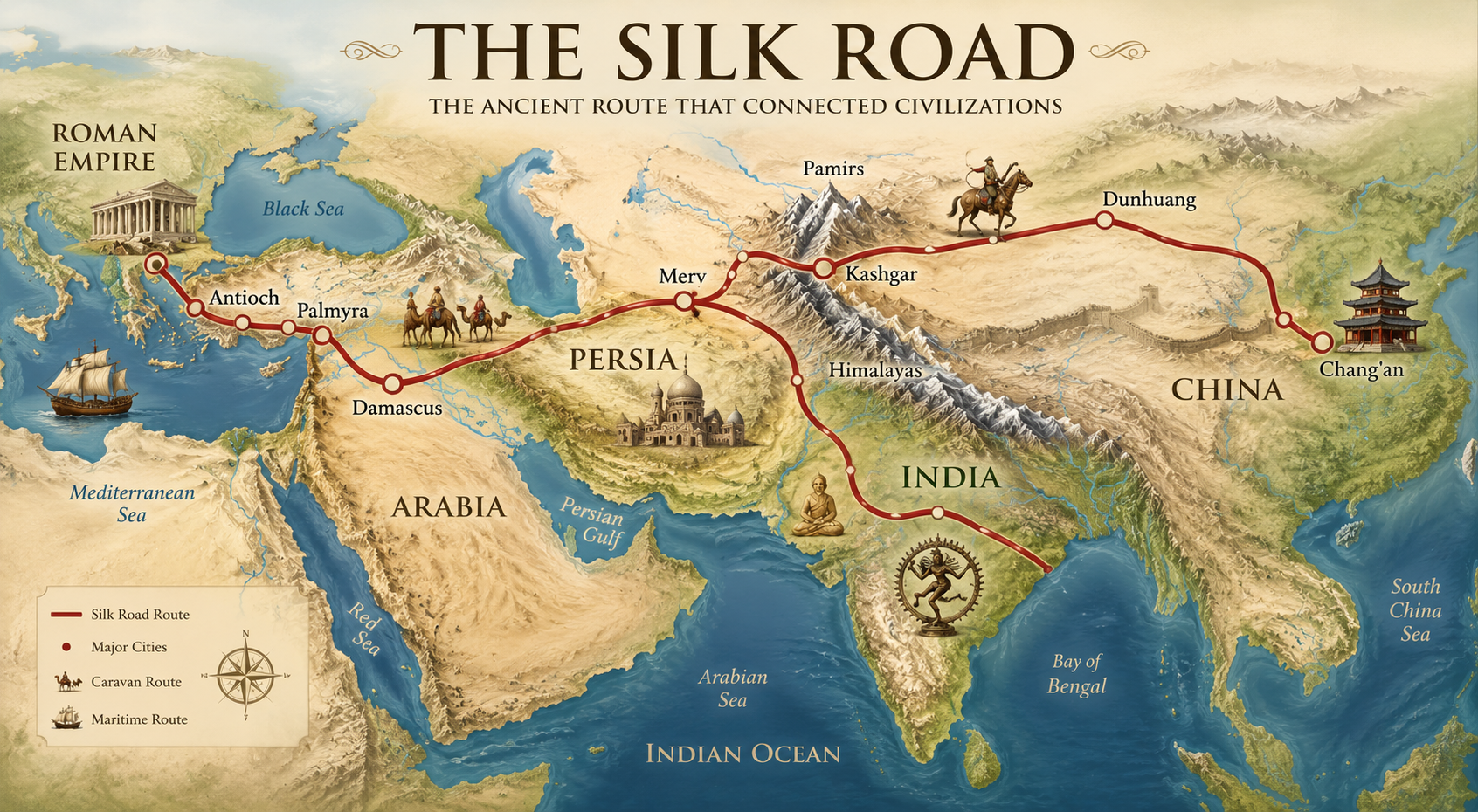
The Silk Road was a network of ancient trade routes connecting China to the Mediterranean, active for roughly 1,500 years and central to the exchange of goods, religion, and ideas between East and West.

The Six-Day War was a brief but consequential conflict fought in June 1967 between Israel and neighboring Arab states, resulting in significant Israeli territorial gains.

The Songhai Empire was a major West African empire that flourished from approximately 1464 to 1591, becoming one of the largest empires in African history through control of trans-Saharan trade.

The Space Race was a Cold War-era competition between the United States and Soviet Union to achieve superior spaceflight capabilities, culminating in the first human Moon landing in 1969.

The Spanish Civil War was fought from 1936 to 1939 between Republican and Nationalist factions, becoming an ideological battleground for broader European political tensions preceding World War II.
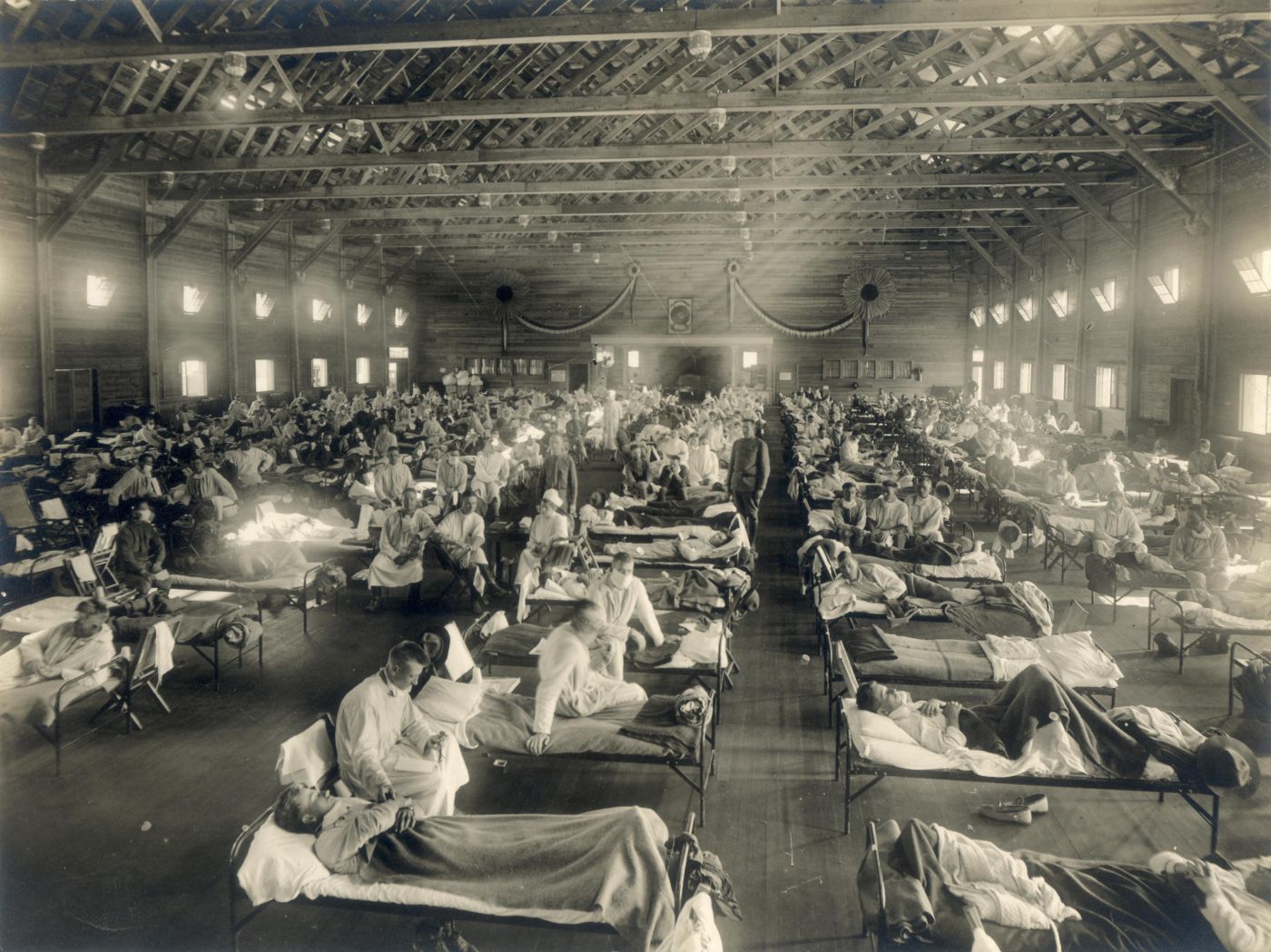
The Spanish Flu was a devastating global influenza pandemic that struck in 1918, killing an estimated 50 million people worldwide, making it one of the deadliest pandemics in human history.
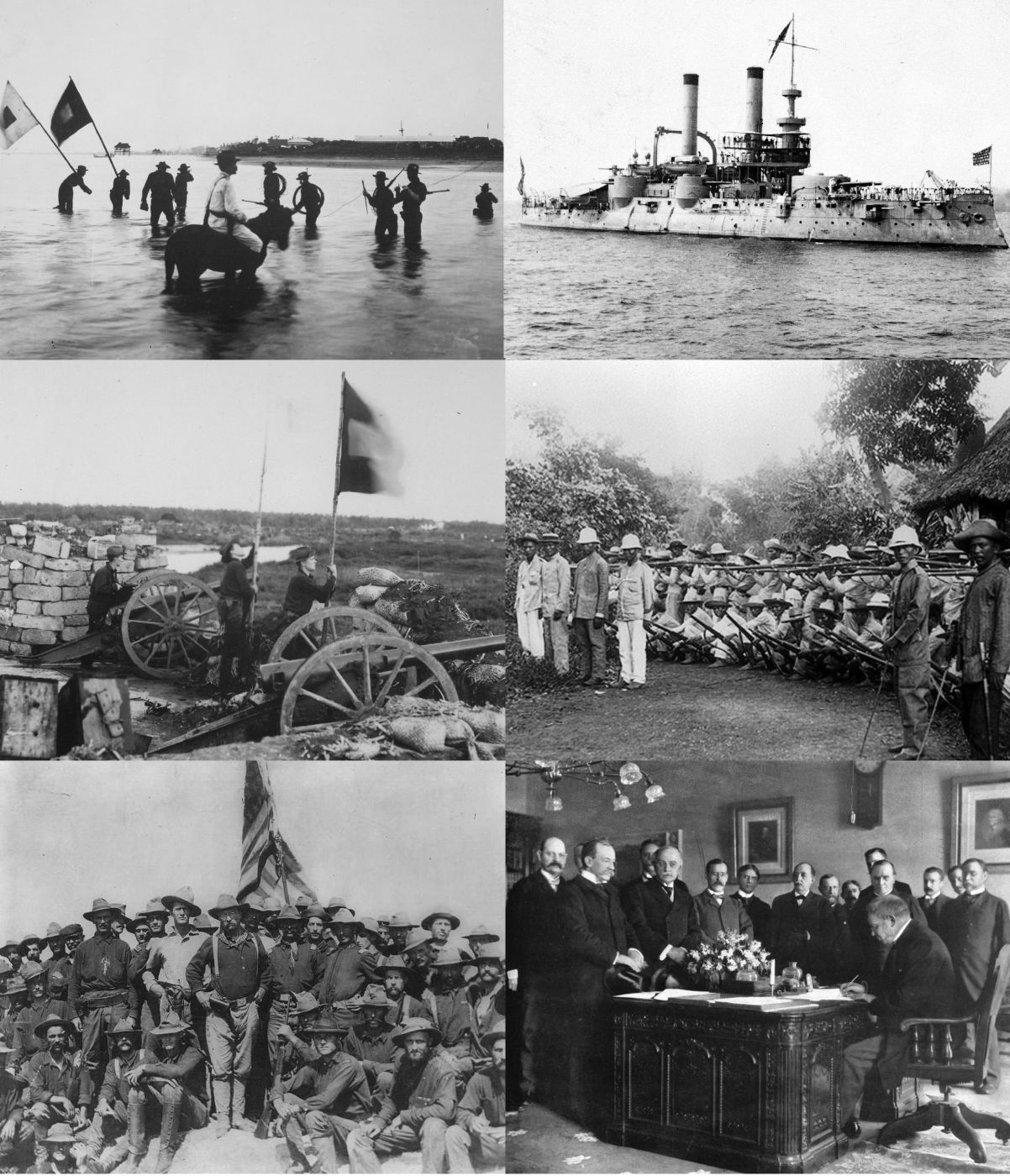
The Spanish-American War was a brief but consequential conflict fought in 1898, resulting in the United States acquiring overseas territories and emerging as a significant global power.

The Suez Crisis was a 1956 international conflict triggered by Egypt's nationalization of the Suez Canal, marking a significant turning point in the decline of British and French global influence.

The Taiping Rebellion was a massive civil war in China fought from 1850 to 1864, one of the deadliest conflicts in human history, led by a self-proclaimed religious leader against the Qing Dynasty.
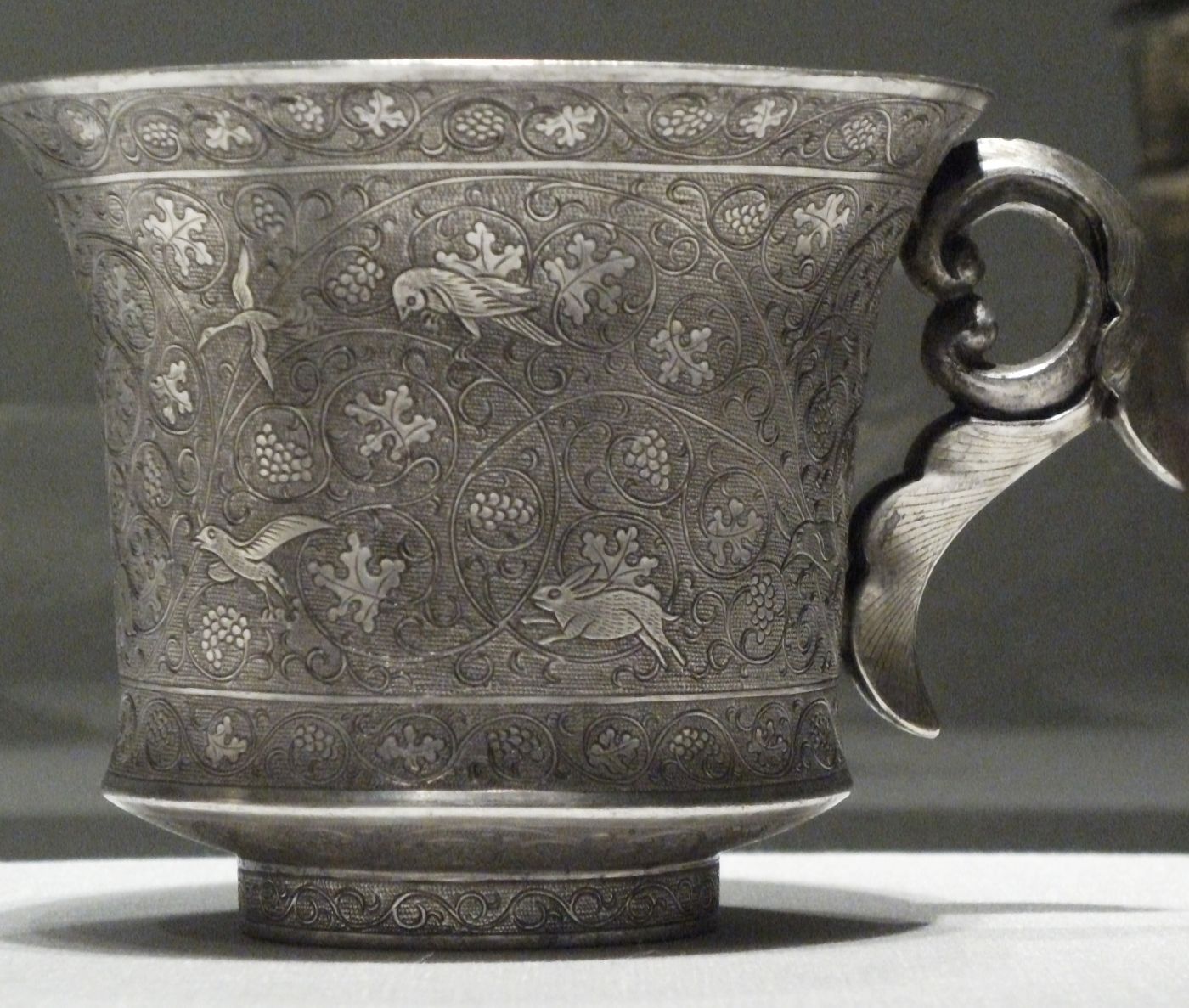
The Tang Dynasty ruled China from 618 to 907 CE, widely regarded as a golden age of Chinese civilization marked by cultural flourishing, cosmopolitan trade, and territorial expansion.