📜 History
Historical events, eras, and civilizations

The Irish Potato Famine was a devastating period of mass starvation and disease in Ireland during the 1840s, caused by potato crop failure and worsened by British colonial policy, resulting in a million deaths and mass emigration.
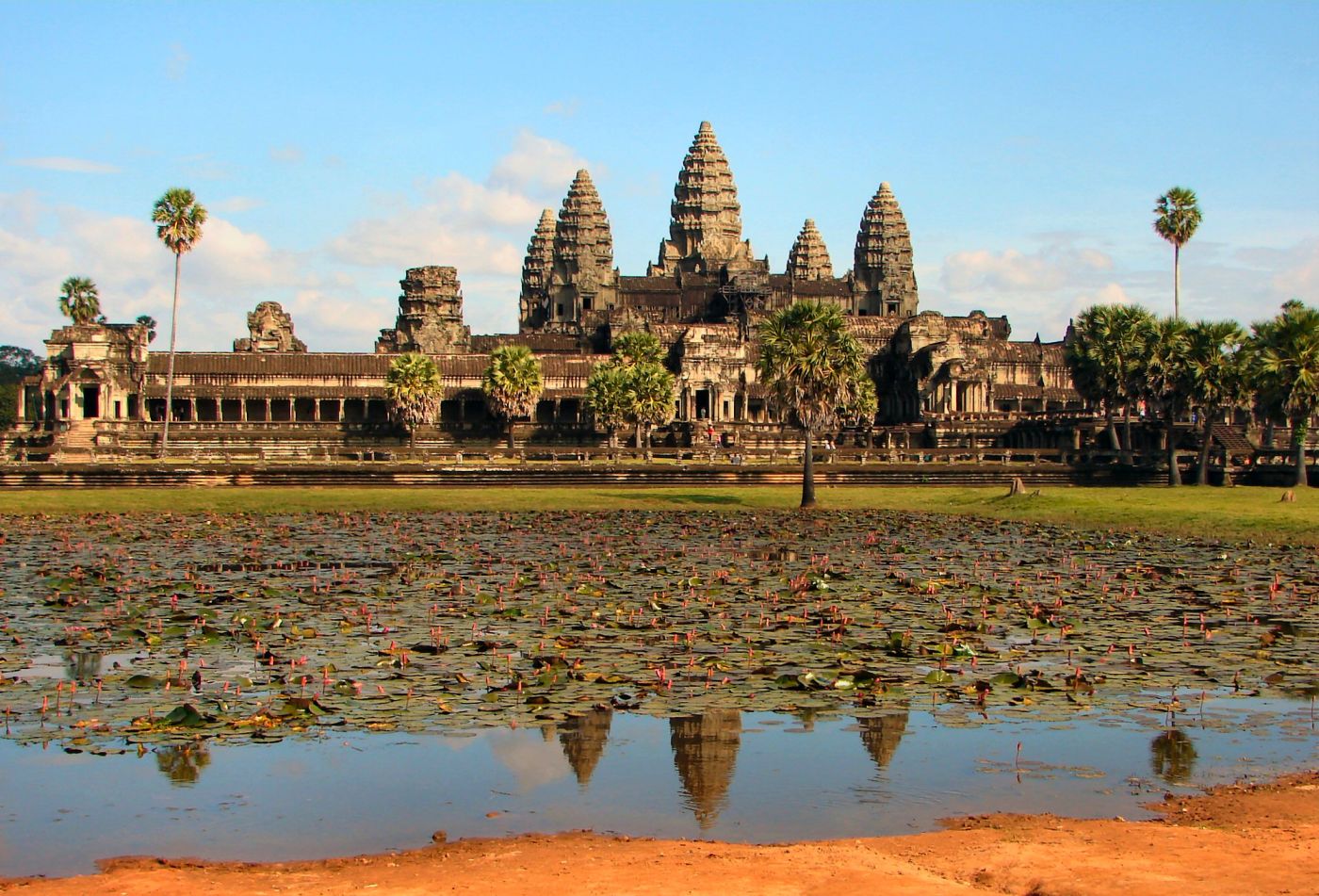
The Khmer Empire was a powerful Southeast Asian empire that flourished from approximately 802 to 1431, renowned for constructing the massive temple complex of Angkor Wat.

The Korean War was a Cold War-era conflict fought between North and South Korea from 1950 to 1953, resulting in a stalemate that left the peninsula divided to this day.

The Louisiana Purchase was an 1803 land deal in which the United States acquired vast French territory west of the Mississippi River, roughly doubling the young nation's size.

The Magna Carta was a 1215 English charter that limited the power of the monarchy for the first time, establishing foundational principles that would later influence constitutional governance worldwide.
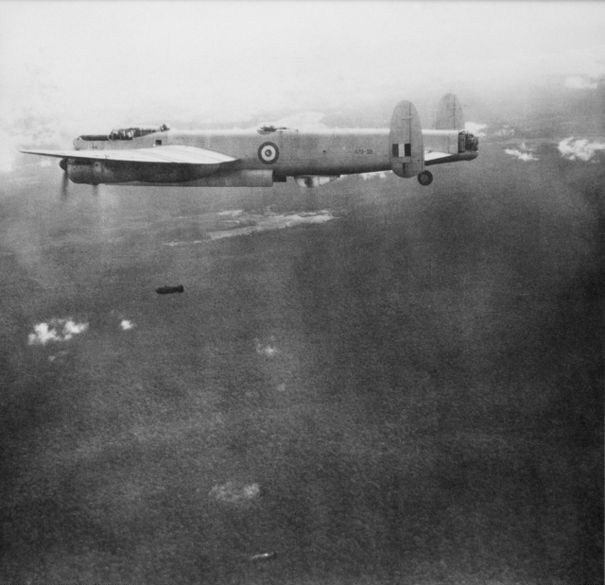
The Malayan Emergency was a guerrilla conflict fought from 1948 to 1960 between British colonial forces and communist insurgents, becoming an influential model for later counterinsurgency warfare.

The Mali Empire was a powerful West African empire that flourished from approximately 1226 to 1670, renowned for its enormous wealth from gold and salt trade and the legendary pilgrimage of Mansa Musa.

The Manhattan Project was the secret World War II research program that developed the first nuclear weapons, permanently changing the nature of global warfare and diplomacy.
The Marshall Plan was a massive American economic aid program that helped rebuild Western European economies after World War II, while also serving as a strategic tool against Soviet influence.
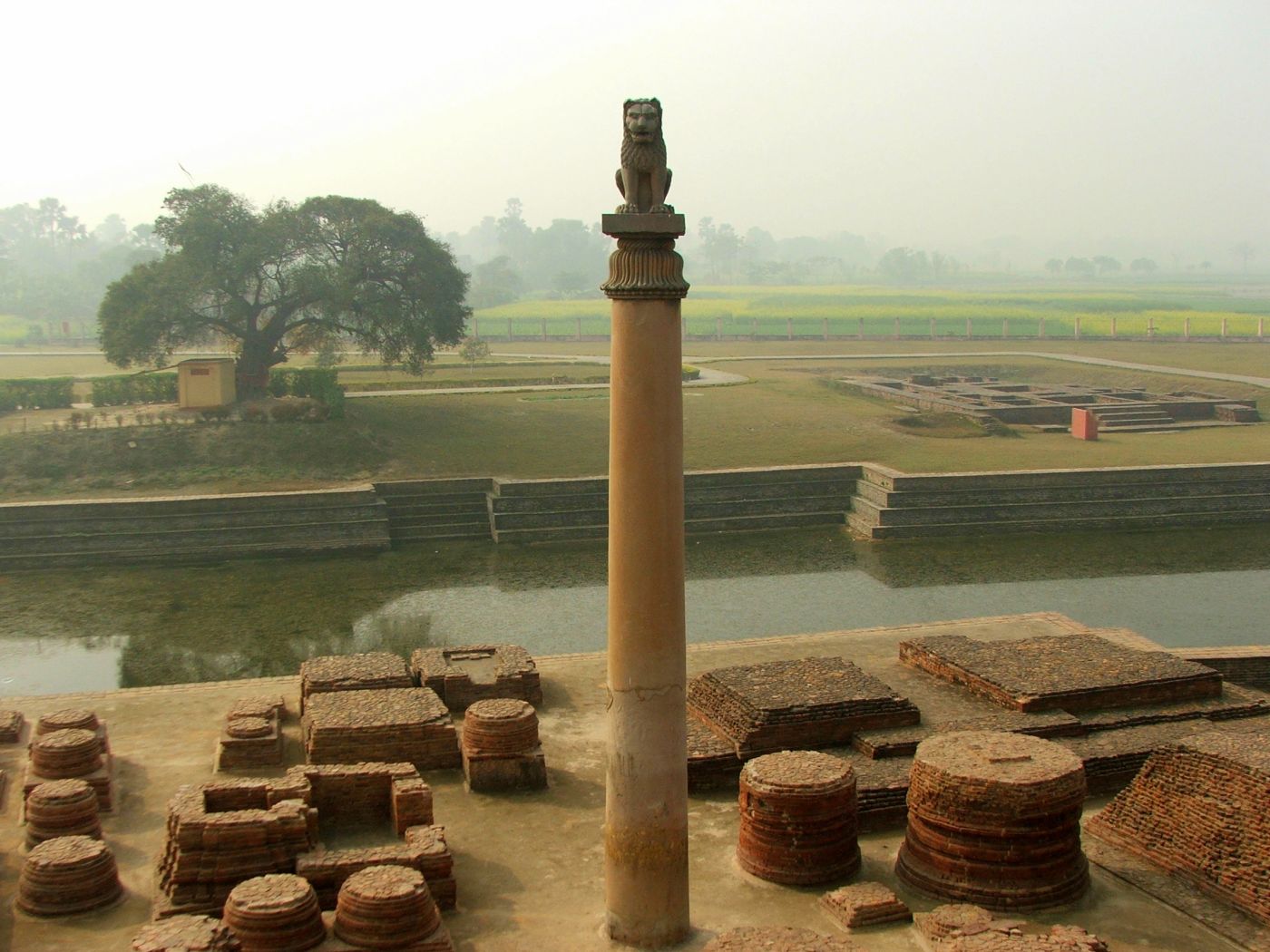
The Mauryan Empire ruled much of the Indian subcontinent from approximately 322 to 185 BCE, notable for unifying most of India under a single government and Emperor Ashoka's embrace of Buddhism.
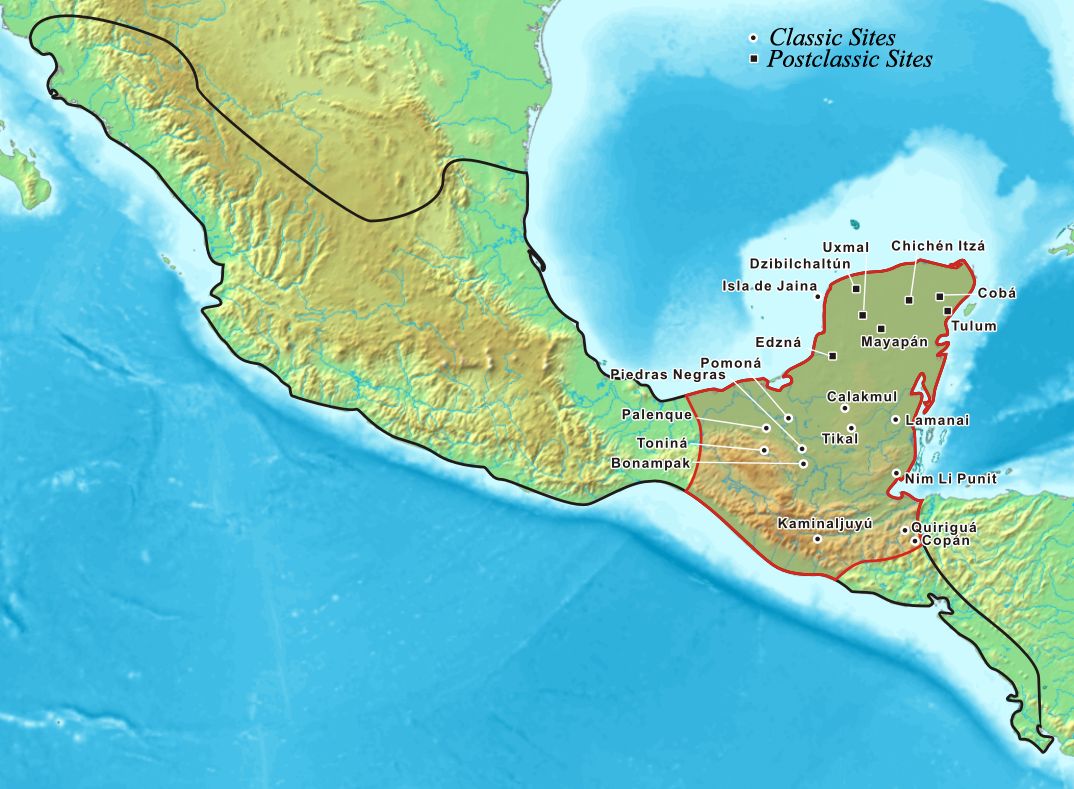
The Maya civilization was an advanced Mesoamerican culture known for its achievements in writing, astronomy, mathematics, and monumental architecture, flourishing across present-day Mexico and Central America.

The Meiji Restoration was an 1868 political revolution in Japan that restored imperial rule and launched a period of rapid modernization, transforming the country into a major industrial and military power.
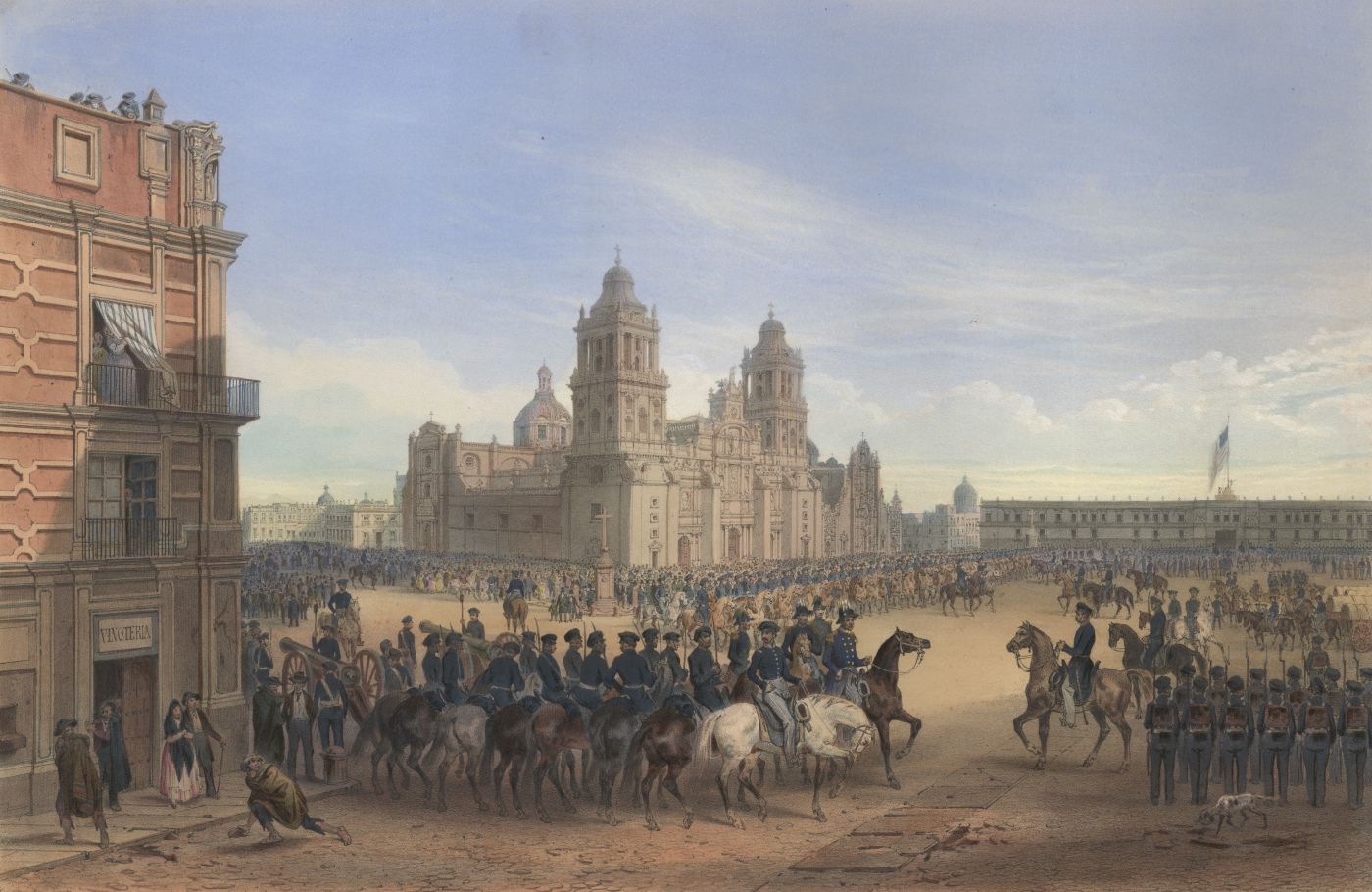
The Mexican-American War was fought between the United States and Mexico from 1846 to 1848, resulting in significant American territorial expansion across the present-day American Southwest.

The Ming Dynasty ruled China from 1368 to 1644, known for restoring native Chinese rule after Mongol domination and undertaking massive construction and naval expedition projects.

The Pax Mongolica, or Mongol Peace, was a period of relative stability across the vast Mongol Empire during the 13th and 14th centuries that facilitated unprecedented trade, diplomacy, and cultural exchange between East and West.

The Mughal Empire ruled much of the Indian subcontinent from 1526 to 1857, known for significant architectural achievements including the Taj Mahal and a sophisticated administrative system.

The Napoleonic Wars were a series of major conflicts fought from 1803 to 1815 involving France under Napoleon Bonaparte against various European coalitions, reshaping the political map of Europe.

The New Deal was a series of government programs and reforms implemented from 1933 to 1939 in response to the Great Depression, fundamentally expanding the role of the federal government in the American economy.
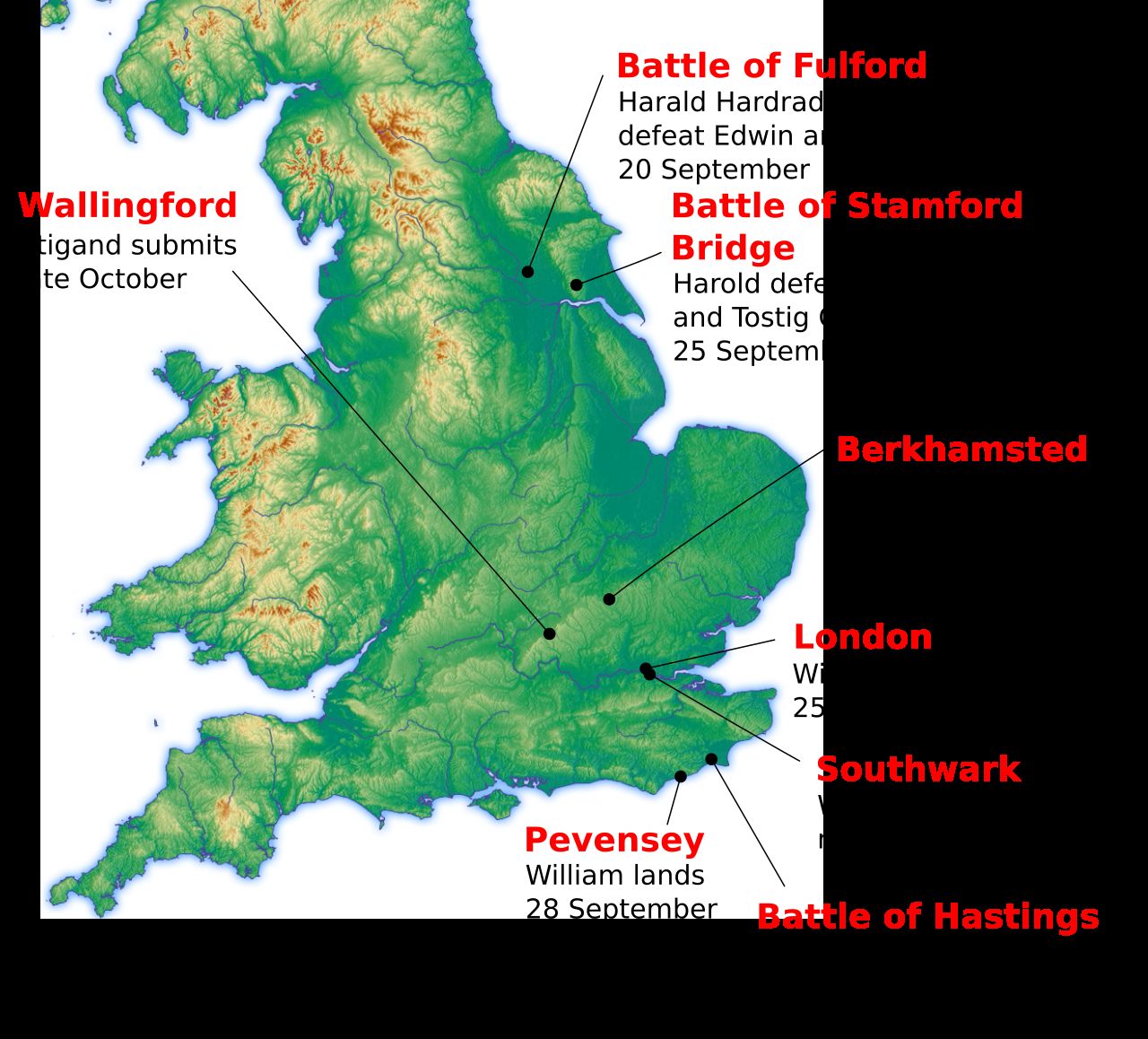
The Norman Conquest of 1066 was the invasion of England by William the Conqueror, fundamentally reshaping English language, culture, and governance for centuries afterward.

The Opium Wars were two 19th-century conflicts between China and Western powers over the opium trade, resulting in significant territorial and trade concessions that weakened Qing dynasty China.
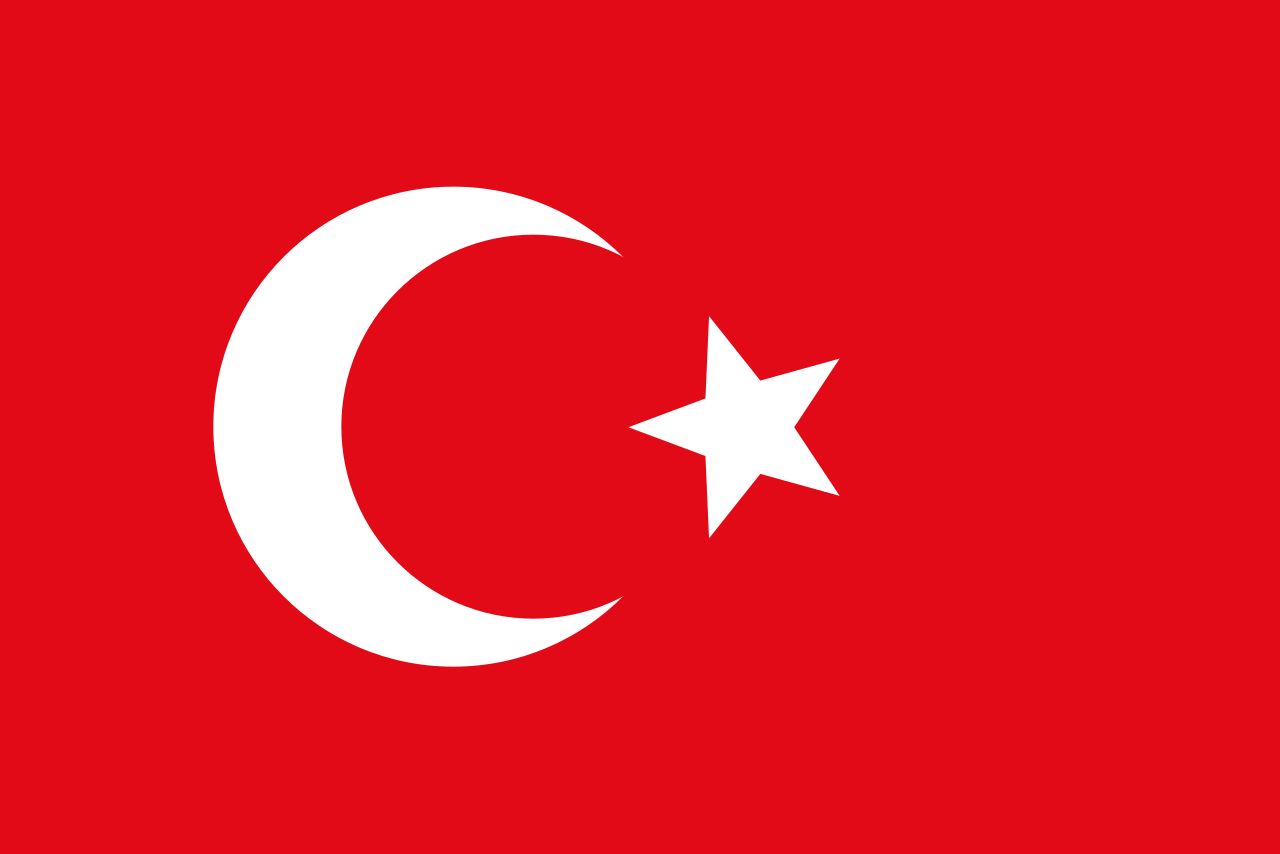
The Ottoman Empire was one of the largest and longest-lasting empires in history, founded around 1299 and eventually spanning southeastern Europe, the Middle East, and North Africa before its dissolution after World War I.
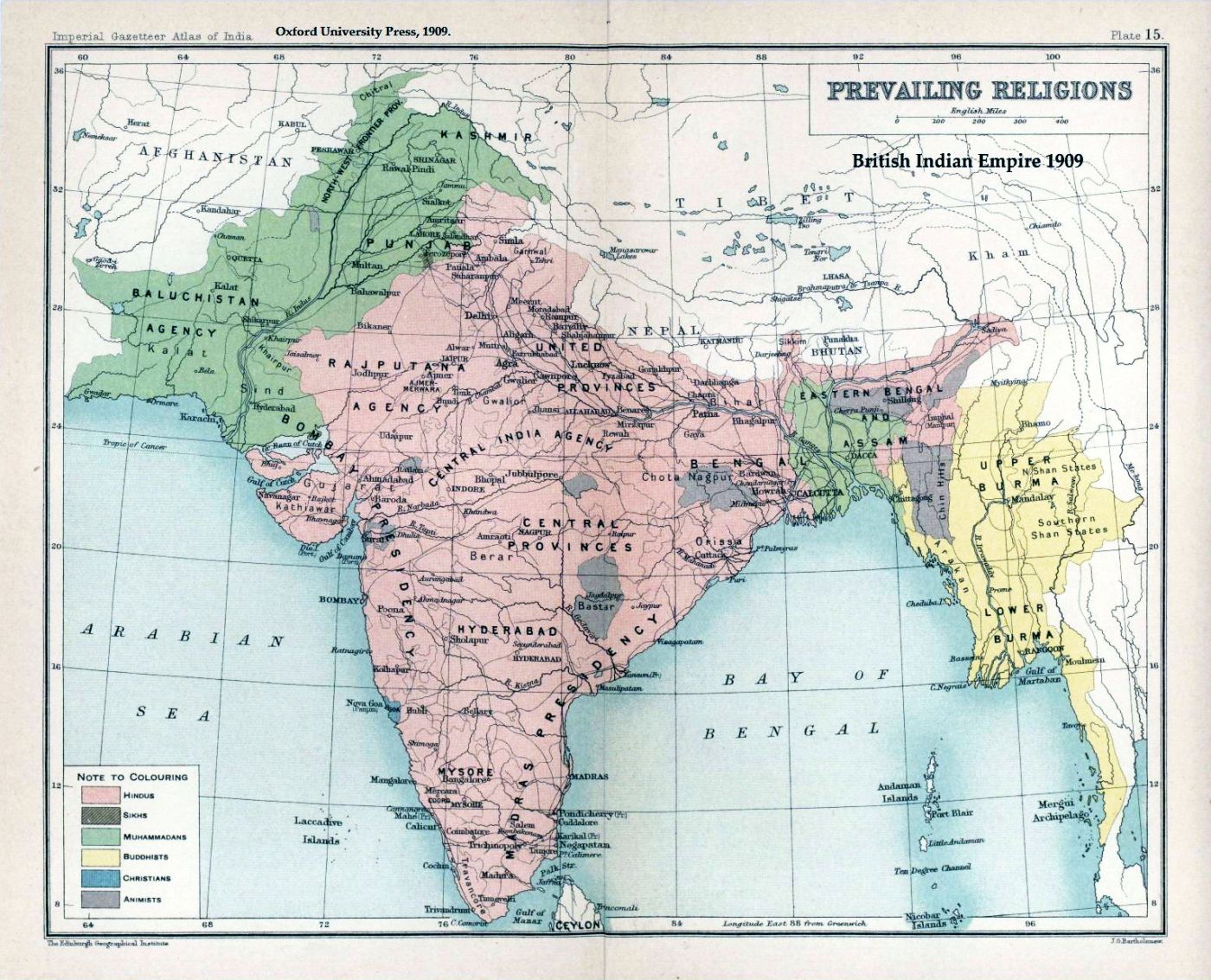
The Partition of India in 1947 divided British India into the independent nations of India and Pakistan, triggering one of the largest mass migrations in human history alongside devastating communal violence.
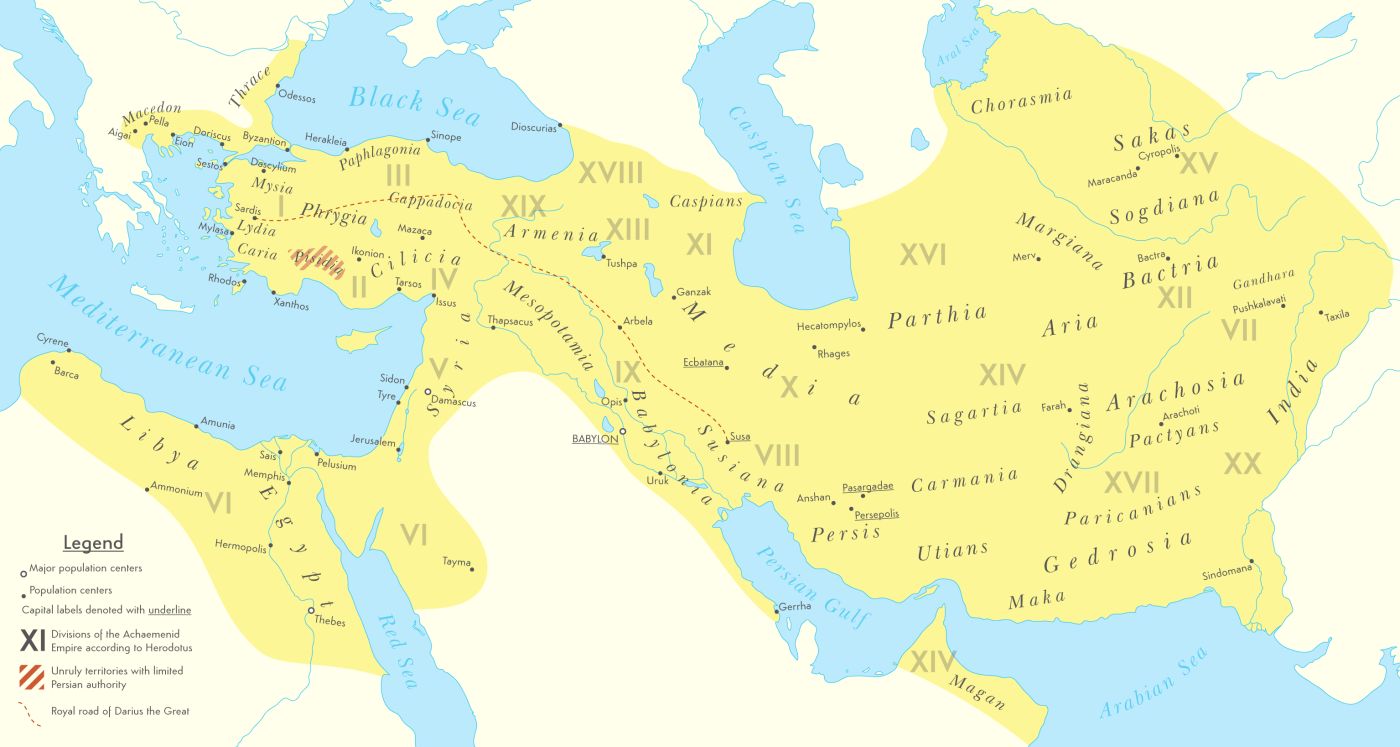
The Persian Empire, at its height under the Achaemenid dynasty, was the largest empire the ancient world had ever seen, known for its administrative innovation and relative religious tolerance.

The Punic Wars were a series of three conflicts between Rome and Carthage that determined dominance over the ancient Mediterranean, ultimately resulting in Roman victory and the destruction of Carthage.