📜 History
Historical events, eras, and civilizations

The Balkan Wars were two conflicts fought from 1912 to 1913 in southeastern Europe, significantly weakening Ottoman territorial control and contributing to tensions preceding World War I.

The Bay of Pigs Invasion was a failed 1961 American-backed military operation attempting to overthrow Cuba's revolutionary government, significantly damaging early Cold War American foreign policy credibility.

The Berlin Airlift was a massive 1948-1949 operation in which Western allies flew supplies into blockaded West Berlin, becoming one of the first major confrontations of the Cold War.
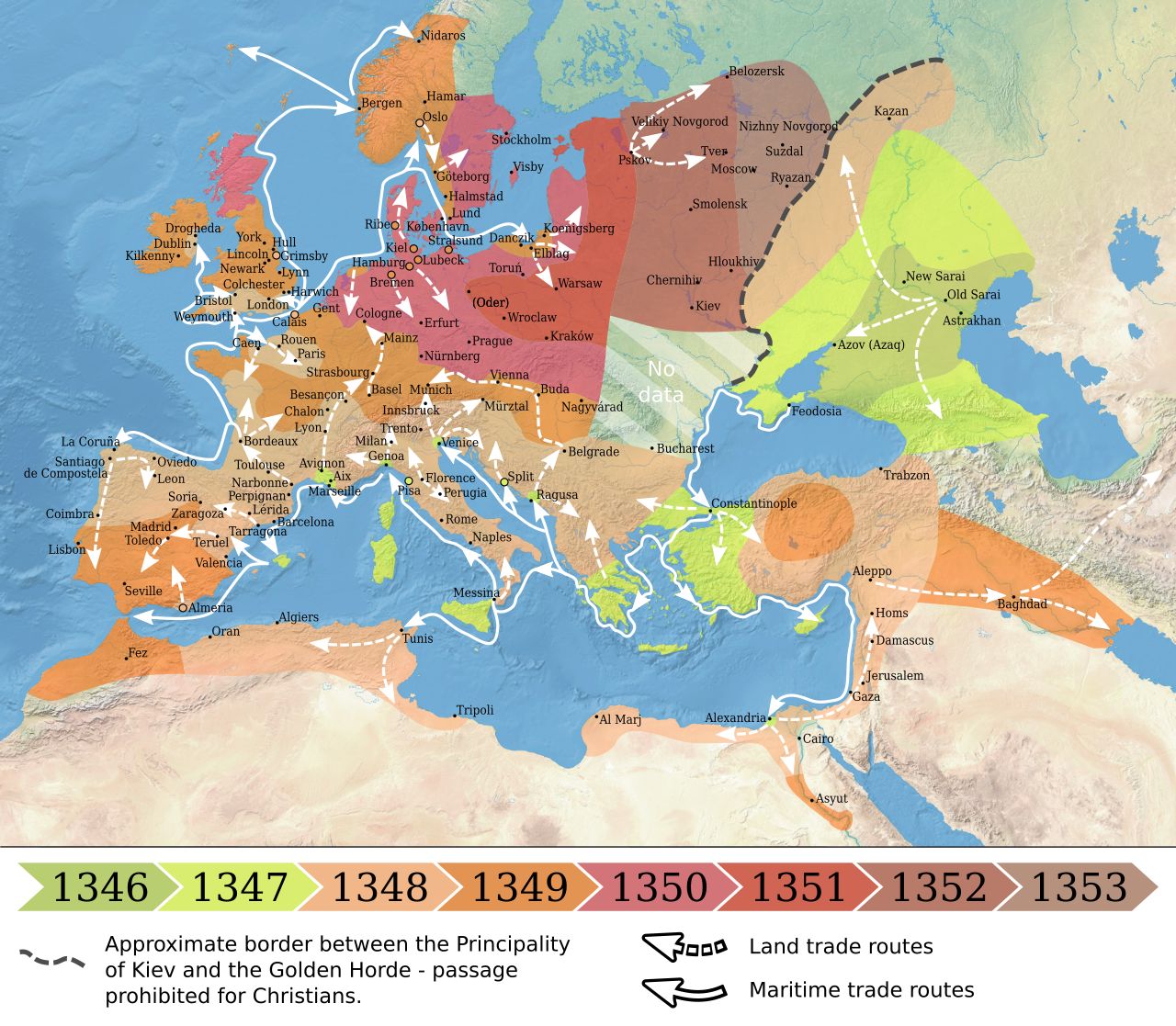
The Black Death was a devastating pandemic of bubonic plague that swept through Europe, Asia, and North Africa in the mid-14th century, killing an estimated 25 to 50 million people.
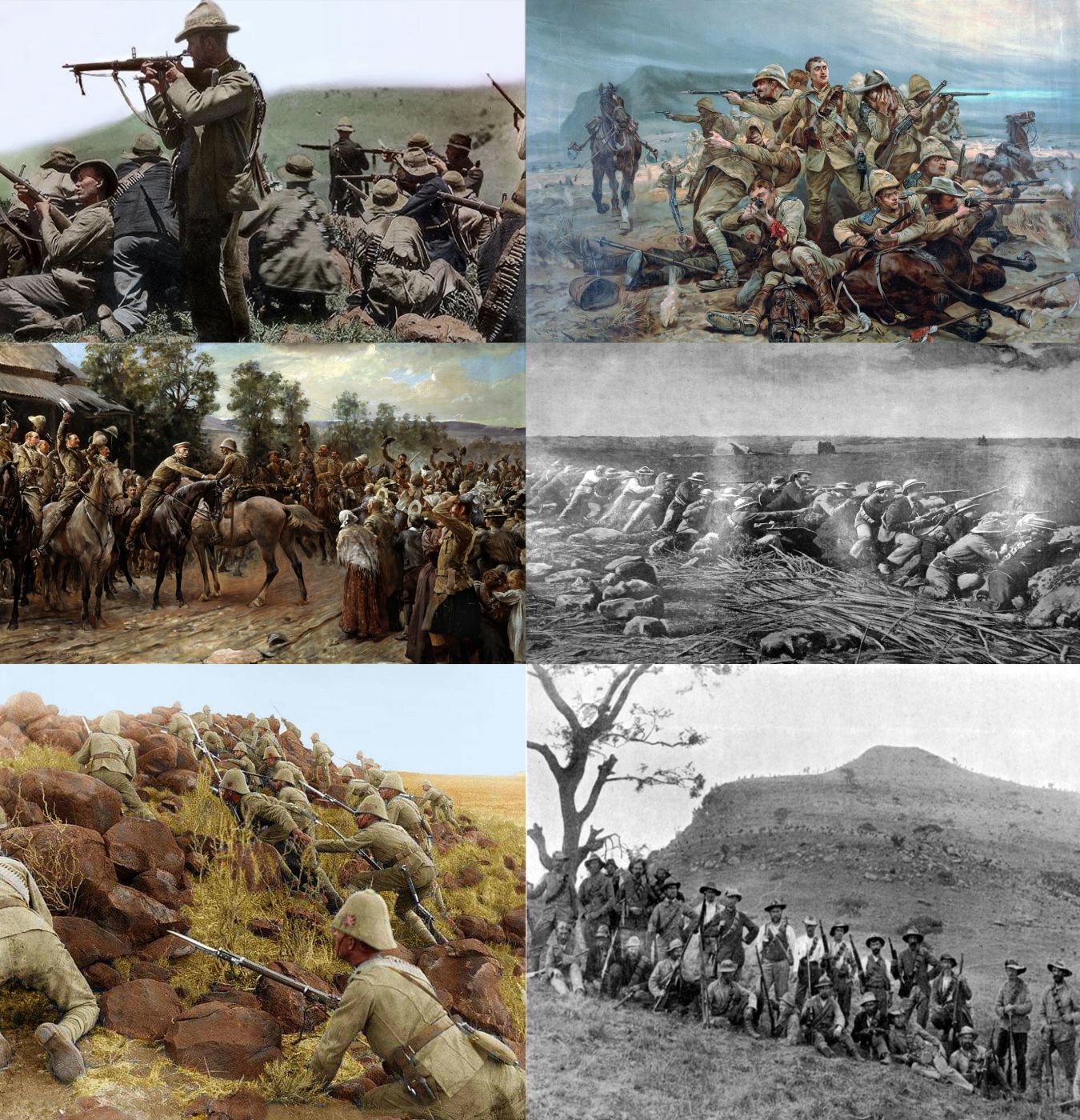
The Boer War was a conflict fought between the British Empire and Boer settlers in South Africa from 1899 to 1902, notable for early use of concentration camps and guerrilla warfare tactics.

The Boston Tea Party was a 1773 political protest in which American colonists destroyed a shipment of British tea, becoming a defining act of resistance leading up to the American Revolution.

The Boxer Rebellion was an anti-foreign, anti-Christian uprising in China from 1899 to 1901, ultimately suppressed by an international coalition of foreign powers.
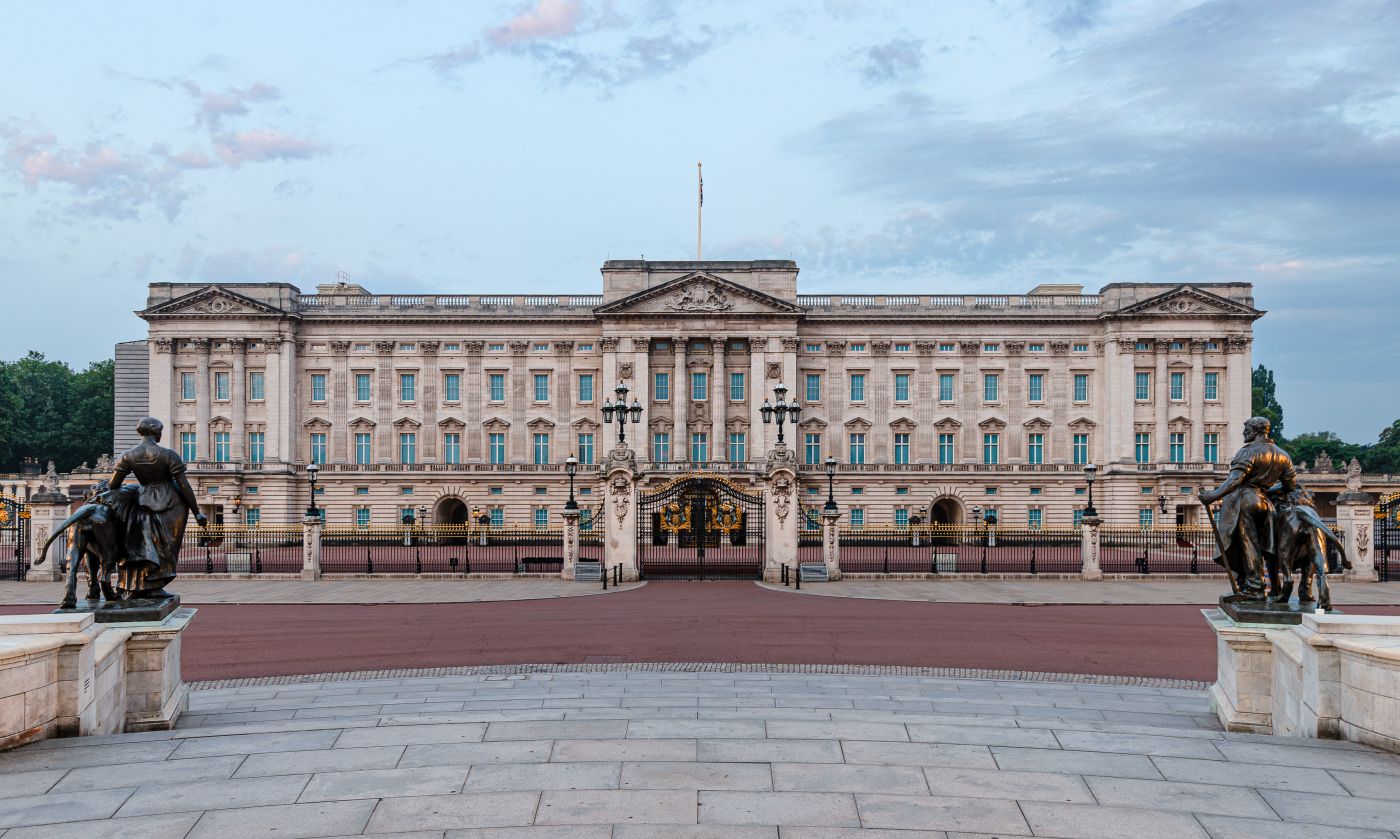
The British Empire was the largest empire in world history, at its peak controlling roughly a quarter of the world's total land area and population across territories on every inhabited continent.
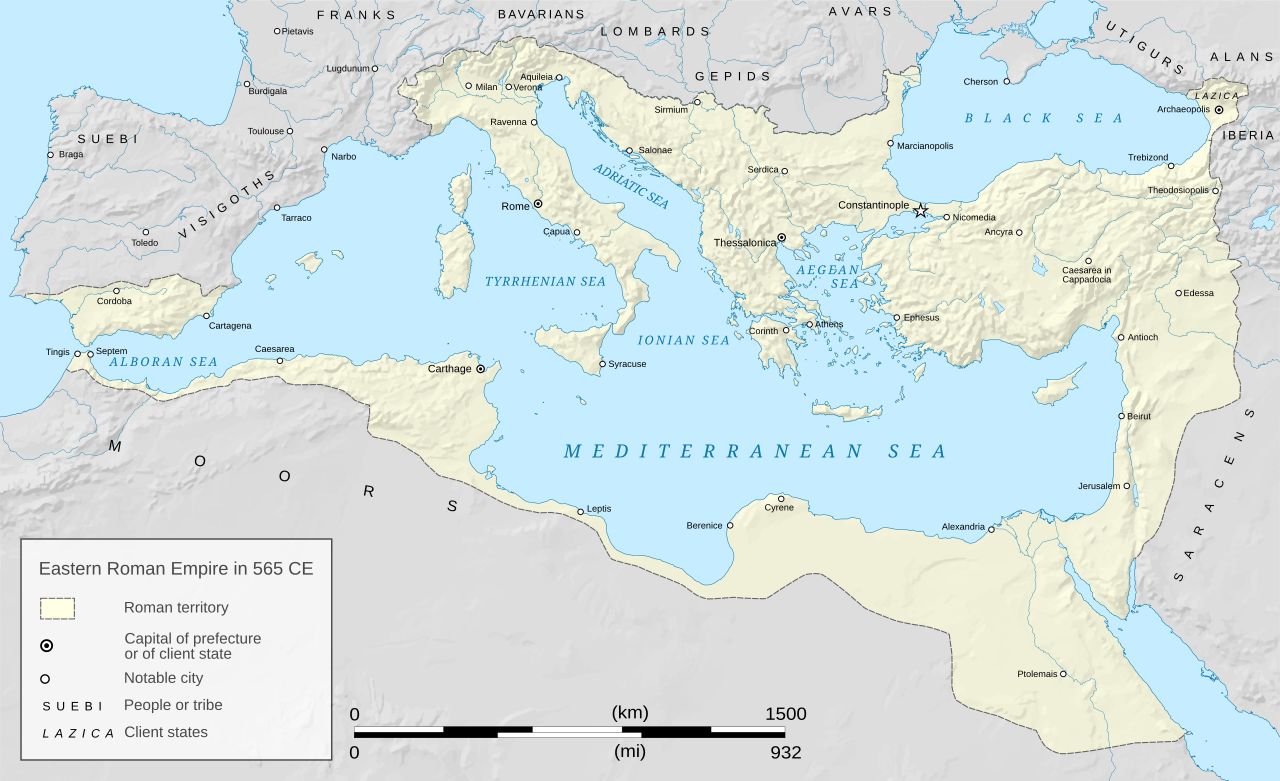
The Byzantine Empire was the eastern continuation of the Roman Empire, surviving for a thousand years after the fall of Rome in the west and preserving classical knowledge through the Middle Ages.
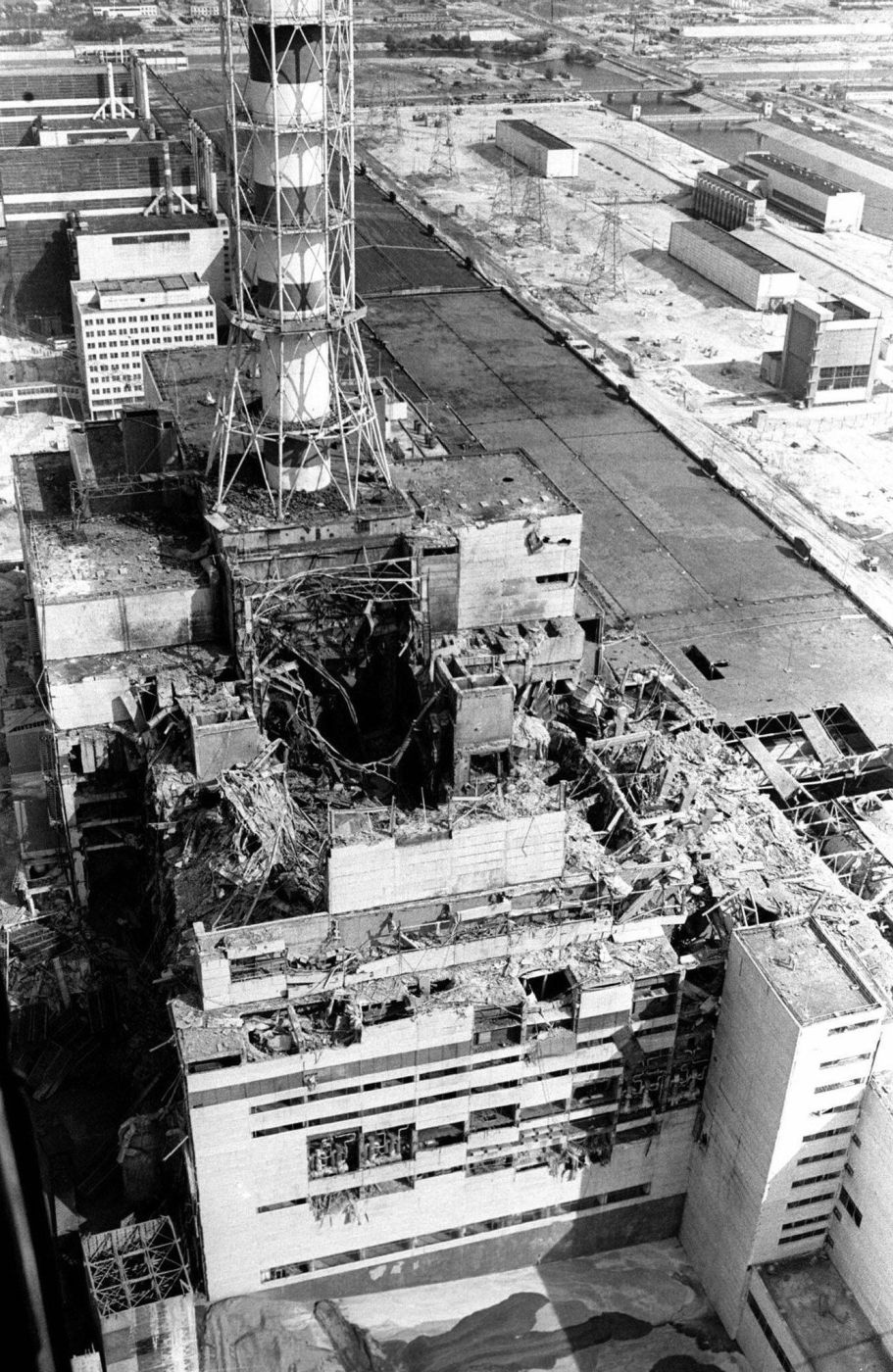
The Chernobyl Disaster was a catastrophic 1986 nuclear power plant accident in Soviet Ukraine, considered the worst nuclear accident in history and a significant factor in the eventual collapse of the Soviet Union.

The Chinese Civil War was a decades-long conflict between the Chinese Communist Party and the Nationalist Party, ultimately resulting in Communist victory and the founding of the People's Republic of China in 1949.

The Civil Rights Movement was a decades-long struggle for racial equality in the United States, achieving landmark legislative victories against segregation and discrimination in the 1960s.
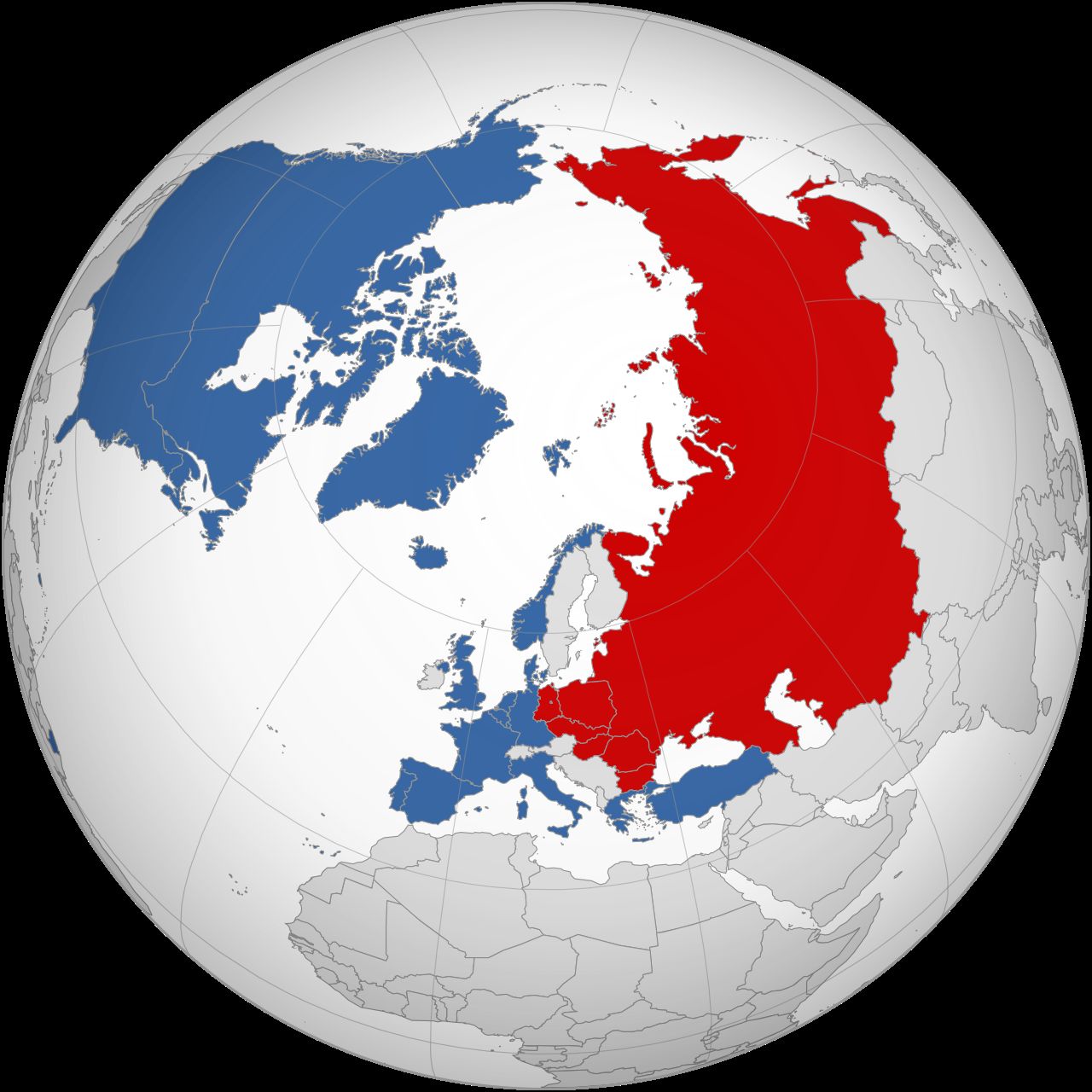
The Cold War was a decades-long period of geopolitical tension between the United States and the Soviet Union following World War II, characterized by proxy wars, nuclear arms buildup, and ideological rivalry rather than direct military conflict between the two superpowers.

The Columbian Exchange was a significant transfer of plants, animals, diseases, and culture between the Americas and the rest of the world, beginning following 1492.

The Congress of Vienna was a series of diplomatic meetings held in 1814-1815 that redrew the map of Europe following the Napoleonic Wars, establishing a balance of power that maintained relative peace for decades.

The Crimean War was fought from 1853 to 1856 primarily between Russia and an alliance including Britain, France, and the Ottoman Empire, notable for early modern military medicine and reporting.

The Crusades were a series of religious military campaigns launched by European Christians, primarily aimed at capturing the Holy Land from Muslim control, spanning roughly two centuries beginning in 1095.

The Cuban Missile Crisis was a tense 1962 confrontation between the United States and Soviet Union over Soviet nuclear missiles in Cuba, bringing the world closer to nuclear war than at any other point in history.

The Cuban Revolution was a 1950s armed uprising led by Fidel Castro that overthrew Cuba's government, establishing a communist state just miles from the United States.

The Cultural Revolution was a sociopolitical movement in China from 1966 to 1976 launched by Mao Zedong, resulting in significant social upheaval, violence, and disruption of Chinese education and culture.

The Defenestration of Prague was a significant 1618 event in which Protestant nobles threw Catholic officials from a castle window, triggering the outbreak of the Thirty Years' War.
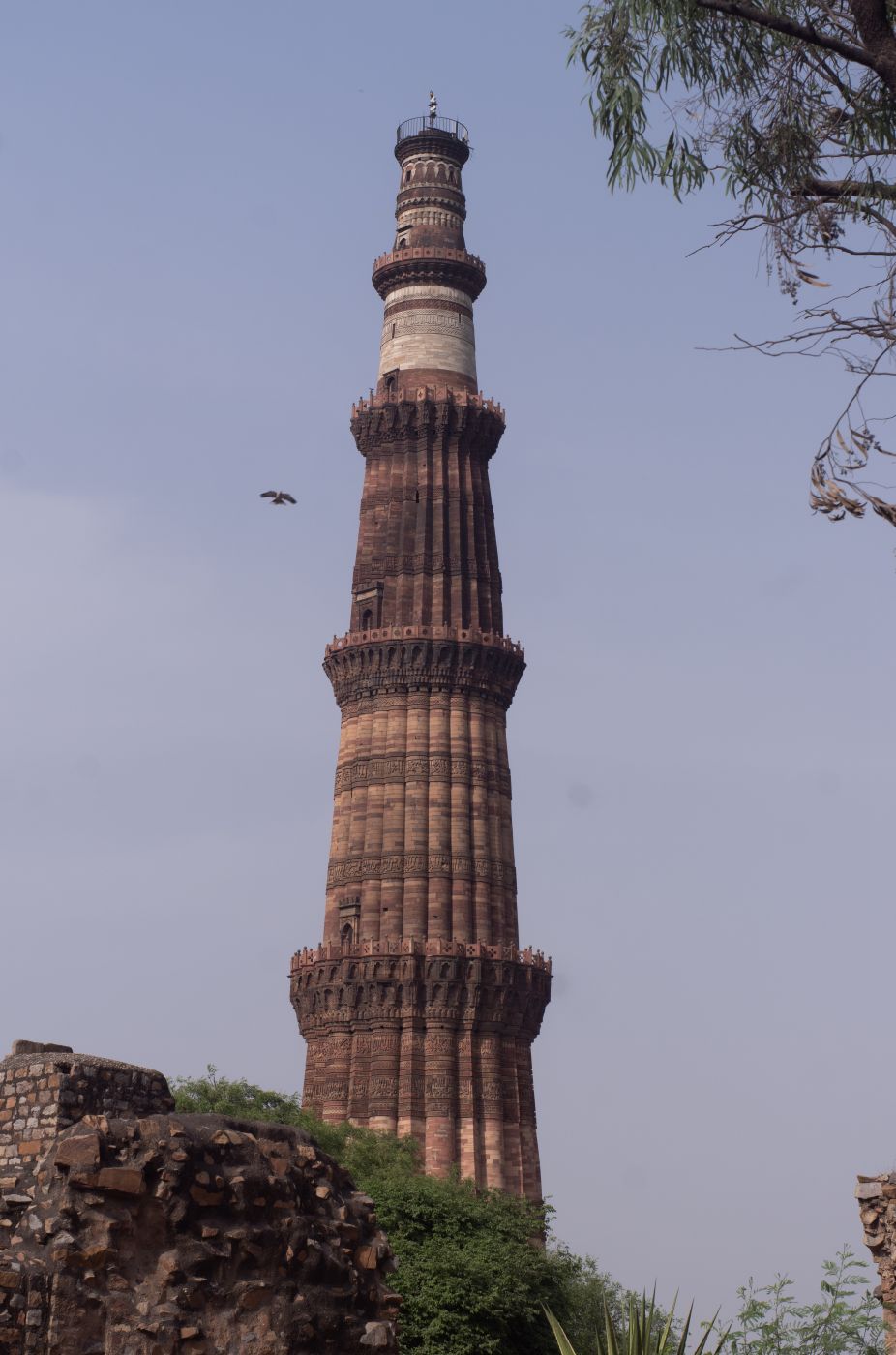
The Delhi Sultanate ruled parts of the Indian subcontinent from 1206 to 1526, established by Central Asian Turkic and Afghan dynasties and significantly shaping the introduction of Islamic rule in India.

The Delian League was a confederation of Greek city-states founded in 478 BCE under Athenian leadership to continue resistance against the Persian Empire following the Greco-Persian Wars, which Athens gradually transformed from an alliance of equals into an instrument of Athenian imperial power.

The Dust Bowl was a severe environmental disaster during the 1930s in which drought and poor farming practices caused massive dust storms across the American Great Plains, displacing hundreds of thousands of people.