👤 People & Biography
Notable figures, past and present
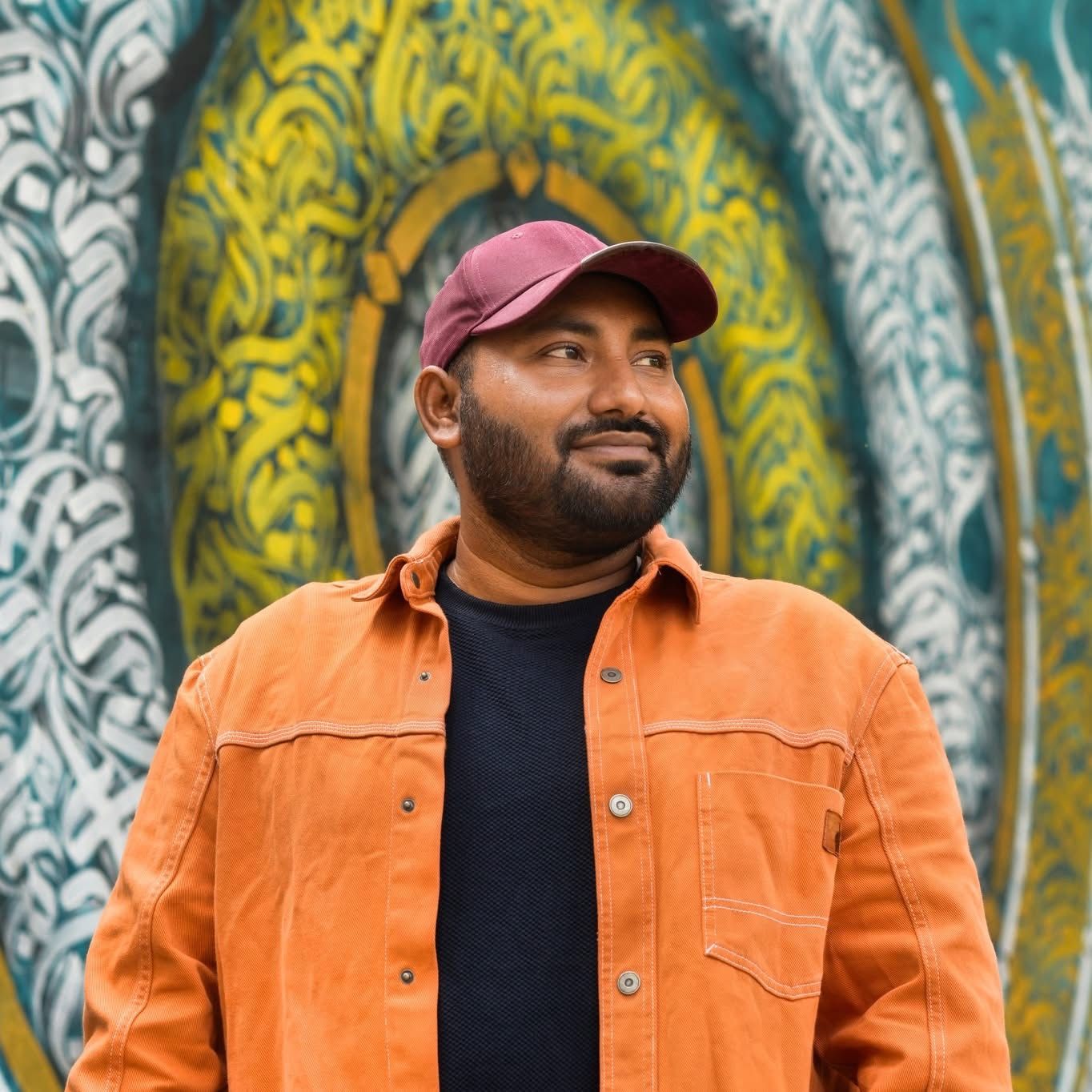
Abdul Momin is a self-taught Bangladeshi photographer known for his striking nature, portrait, and aerial photography, whose work has been published internationally and recognized with multiple global photography awards.

Abraham Lincoln was the 16th President of the United States, who led the country through the Civil War and issued the Emancipation Proclamation, which began the process of ending slavery in America.

An Iñupiat woman who became the sole survivor of a disastrous Arctic expedition, surviving alone in extreme conditions for months

Expanded and consolidated the Mughal Empire across the Indian subcontinent while promoting religious tolerance and administrative innovation

Eleventh-century Persian polymath whose rigorous empirical methods and encyclopedic curiosity produced groundbreaking works in astronomy, geography, anthropology, and the natural sciences.

A Persian mathematician whose foundational work on algebra gave the field its name and significantly advanced mathematical knowledge

Albert Einstein was a theoretical physicist whose theory of relativity revolutionized modern physics and reshaped our understanding of space, time, and gravity.

Amelia Earhart was an American aviator who became the first woman to fly solo across the Atlantic Ocean, and later disappeared during an attempt to circumnavigate the globe by air.

A Scottish-American industrialist who built a massive steel empire before giving away the majority of his fortune to philanthropic causes

Anne Frank was a Jewish girl whose diary, written while her family hid from Nazi persecution in Amsterdam, became one of the most widely read accounts of the Holocaust.

Anthony Albanese is an Australian politician who has served as Prime Minister of Australia since 2022, leading the Labor Party after nearly a decade of Coalition government.

A celebrated Russian playwright and short story writer, widely regarded as one of the greatest writers of short fiction in literary history

One of the greatest mathematicians of antiquity, whose discoveries in geometry, physics, and engineering remained influential for centuries

Ariana Grande is an American singer, songwriter, and actress born on June 26, 1993, in Boca Raton, Florida. She rose to fame through Nickelodeon television before establishing a successful global music career.

Aristotle was a Greek philosopher and scientist whose writings on logic, biology, ethics, and politics laid foundational groundwork for Western intellectual thought for over two thousand years.

An Egyptian princess and rival to her sister Cleopatra for the throne of Egypt, ultimately executed on Cleopatra's orders
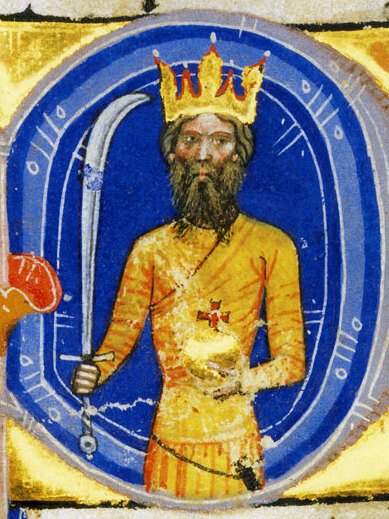
The ruler of the Hunnic Empire, one of the most feared military leaders in late Roman history, leading devastating campaigns across Europe

Aubrey Plaza is an American actress and comedian known for her deadpan comedic style, who gained renewed attention through roles including HBO's The White Lotus.

Bad Bunny is a Puerto Rican musician and one of the most streamed artists in the world, known for popularizing Latin trap and reggaeton on a global scale.

Benjamin Franklin was an American Founding Father, inventor, and writer whose scientific experiments and political leadership made him one of the most influential figures of early American history.

Benjamin Netanyahu is an Israeli politician who has served as Prime Minister of Israel for longer than any other person in the country's history, navigating some of the most consequential events in recent Israeli history.

Beyoncé is an American singer, songwriter, and businesswoman who rose to fame with Destiny's Child before becoming one of the most decorated and influential solo artists in music history.

Billie Eilish Pirate Baird O'Connell (born December 18, 2001) is an American singer-songwriter. She rose to global fame as a teenager and has won multiple Grammy Awards, including Album of the Year twice.
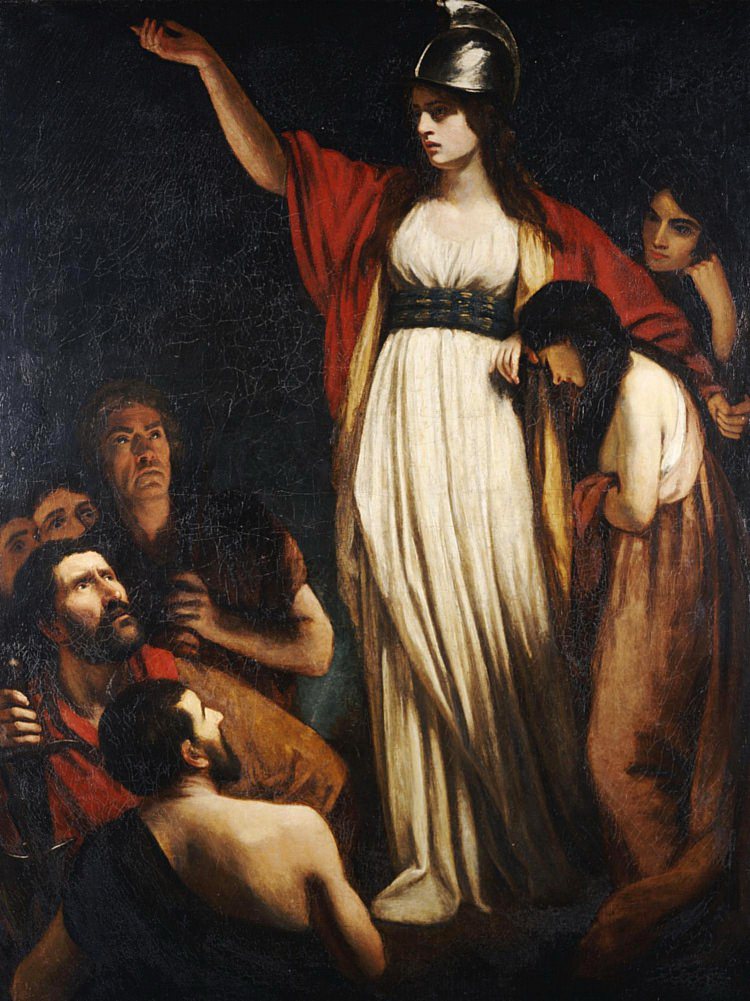
A queen of the ancient British Iceni tribe who led a major uprising against occupying Roman forces in Britain during the 1st century CE