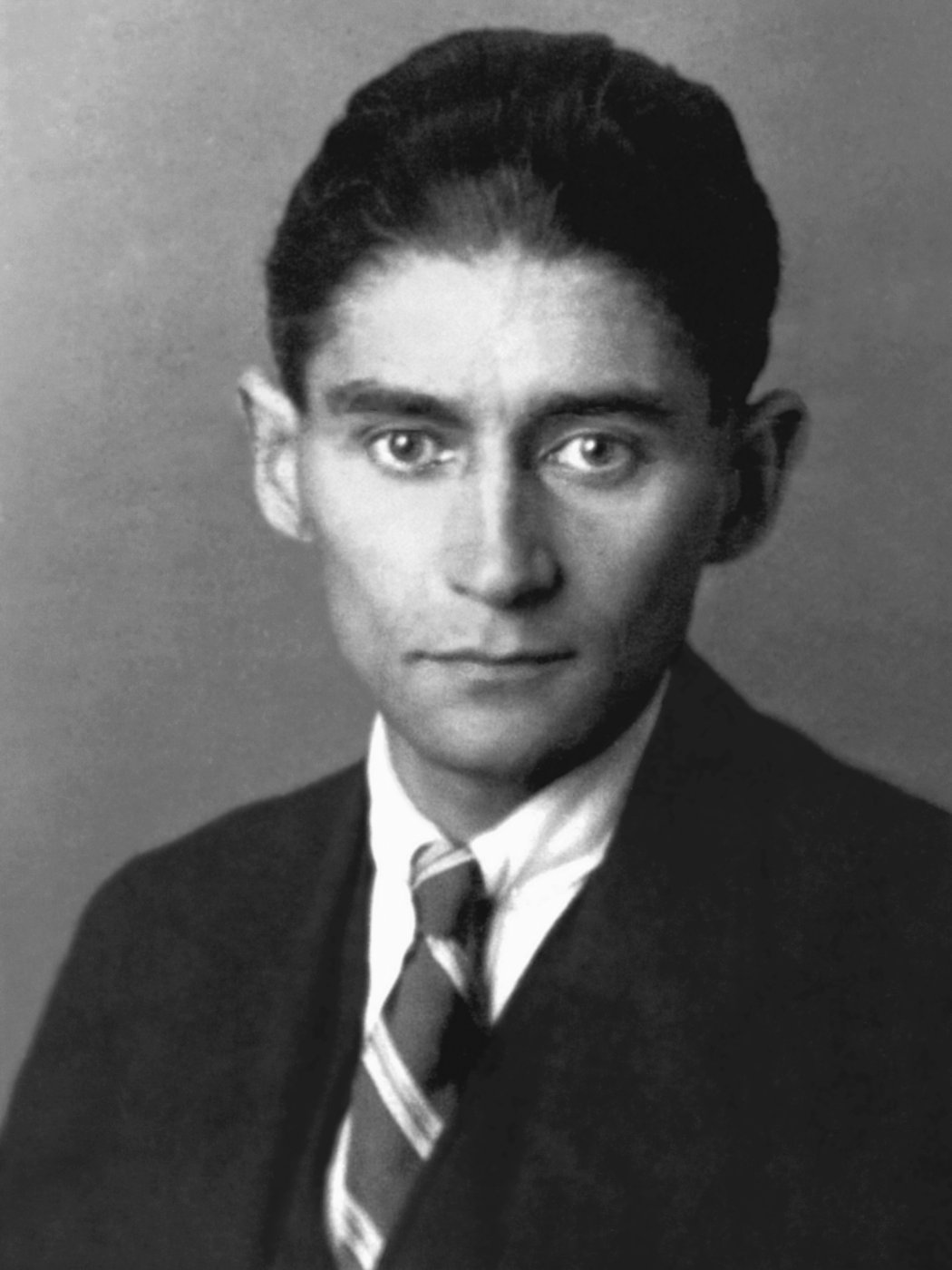
Franz Kafka
A German-language writer known for surreal, unsettling fiction exploring themes of alienation and bureaucratic absurdity, with works published mostly after his death
Requesting that all his unpublished manuscripts be destroyed after his death, this writer's disregarded final wishes led to the posthumous publication of works now considered among the most significant in modern literature.
Exploring Alienation and Absurdity
Kafka's fiction explores themes of alienation, guilt, and bureaucratic absurdity, creating a distinctive literary style now commonly described using the term "Kafkaesque."
Mostly Published After Death
Much of Kafka's most significant work, including his novel The Trial, was published posthumously, against his own expressed wishes for the manuscripts to be destroyed.
A Disregarded Final Request
Kafka requested that his friend and literary executor destroy his unpublished manuscripts after his death, a request that was ultimately disregarded, preserving his literary legacy.
A Profound Influence on Modern Literature
Kafka's distinctive style has profoundly influenced modern literature, with his exploration of alienation and absurdity resonating across subsequent literary movements.