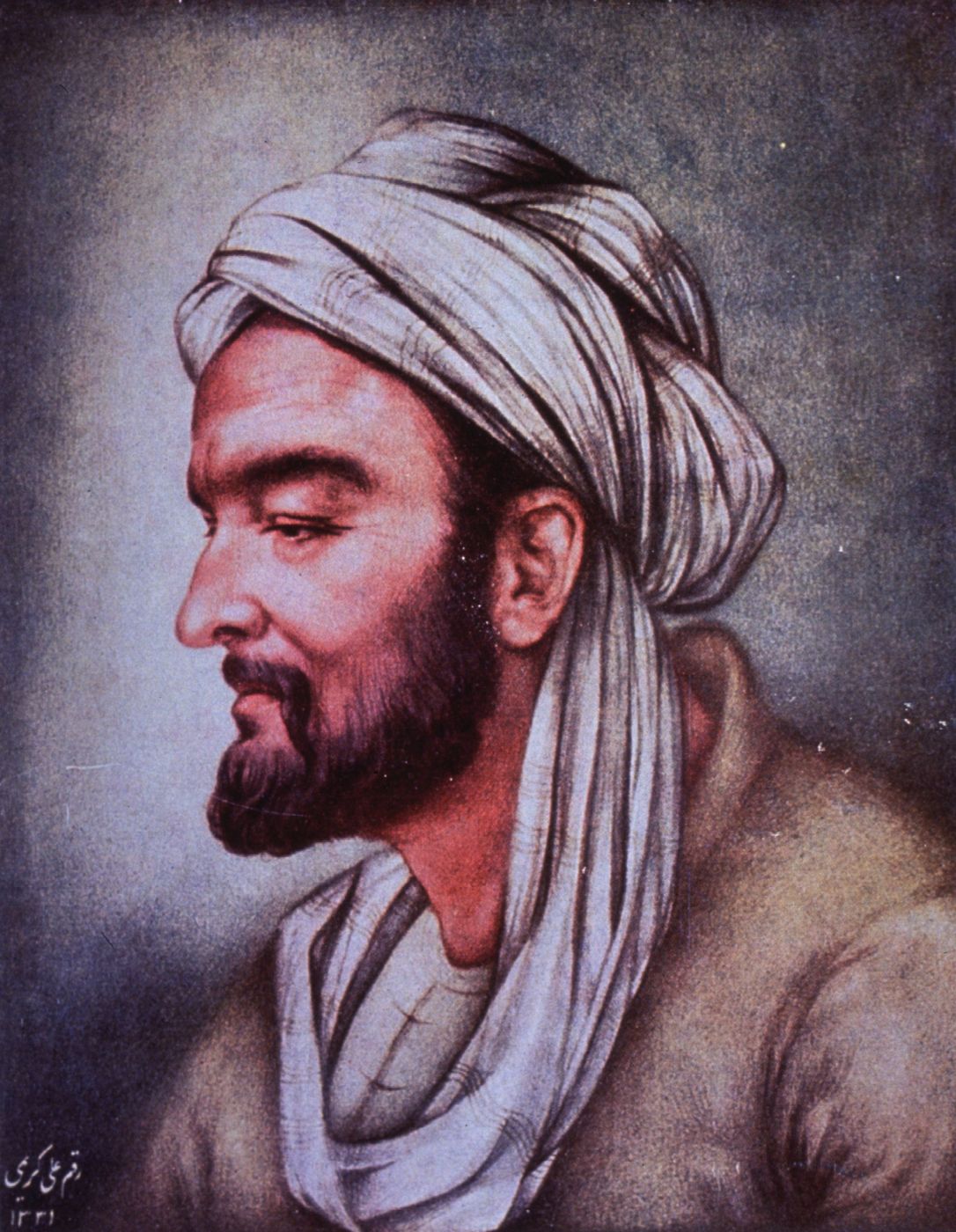
Ibn Sina (Avicenna)
A Persian polymath whose comprehensive medical encyclopedia remained a standard medical reference in both the Islamic world and Europe for centuries
Reportedly having memorized the entire Quran by age ten before moving on to master medicine, philosophy, and numerous other fields, this polymath produced a medical text so thorough it remained a standard reference for over 600 years.
An Extraordinary Young Polymath
Ibn Sina, known in the West as Avicenna, displayed extraordinary intellectual precocity, reportedly mastering advanced medicine and philosophy while still a teenager in Central Asia.
The Canon of Medicine
Ibn Sina's most influential work, The Canon of Medicine, became a standard medical textbook in both the Islamic world and, through Latin translation, medieval European universities for centuries.
Contributions to Philosophy
Beyond medicine, Ibn Sina made significant contributions to philosophy, attempting to reconcile Aristotelian philosophy with Islamic theology in ways that influenced both Islamic and later European philosophical thought.
An Enduring Global Influence
Ibn Sina's medical and philosophical works remained influential for centuries after his death, representing one of the most significant intellectual contributions of the Islamic Golden Age to global scientific knowledge.